Knowledge Base & Articles
Explore expert tips, material comparisons, structural ideas, and packaging trends to elevate your brand's unboxing experience.
Choosing the 2026 Best Custom Lip Gloss Packaging Boxes Supplier requires more than comparing prices. Packaging must protect gloss tubes, support brand identity, and remain practical during shipping, storage, and retail display.
“Good packaging protects the product, communicates value, and respects its next life,” says Wendy Jedlicka, a recognized packaging sustainability author and consultant. Her principle is especially relevant to Custom Lip Gloss Packaging Boxes, where appearance and performance must work together.
A reliable supplier should offer accurate dielines, sturdy paperboard, clean printing, and dependable quality control. Ask about material thickness, coating options, insert design, color consistency, and sample approval. A soft-touch finish may feel luxurious, while a glossy coating can create stronger shelf impact. However, neither choice solves weak construction.
Details matter.
A box that bends near the tuck flap can damage a premium impression. An insert that holds the tube too tightly may scratch decoration or slow packing. Experienced suppliers test these risks before mass production. They should also explain lead times, minimum order quantities, shipping protection, and available recyclable materials.
Sustainability deserves careful judgment. “Eco-friendly” should not remain an attractive label without evidence. Request material specifications, recycled-content information, and realistic disposal guidance. Some finishes look responsible but complicate recycling.
This guide compares leading suppliers for 2026 through a practical lens. It considers manufacturing experience, customization depth, communication, sampling, quality consistency, and total value. The perfect supplier may not exist. A small compromise in finish, budget, or speed may still be necessary. The best decision is the one that protects the product, reflects the brand, and performs reliably beyond the sample stage.
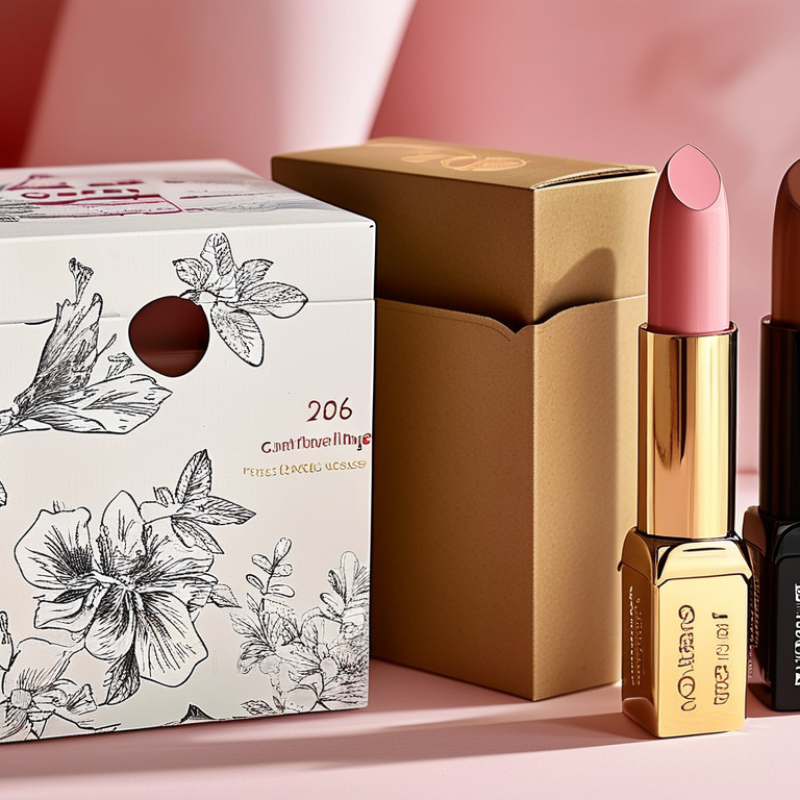
What defines a custom lip gloss packaging boxes supplier in 2026? The answer goes beyond attractive printing. A capable supplier combines packaging engineering, reliable sourcing, and practical cosmetic experience. Grand View Research estimates the global cosmetic packaging market reached about USD 32.7 billion in 2023, with steady growth expected through 2030. This growth increases buyer choice, but it also makes supplier evaluation harder.
A dependable supplier should offer accurate dielines, measured inserts, and color proofs before mass production. Small gloss tubes can move inside oversized boxes, causing scuffed surfaces and poor shelf presentation. Better suppliers test fit, drop resistance, and opening strength. They should also provide material details, recycled-content records, and clear production timelines. McKinsey’s 2023 sustainability research found that many consumers consider packaging recyclability when choosing products, although willingness to pay more varies by market. Claims need evidence, not green language.
Experience appears in the details. Can the supplier keep foil alignment consistent across 10,000 boxes? Can it adjust the structure when a tube shape changes? These questions matter. FSC-certified paper, water-based inks, and plastic-free finishes may reduce impact, but they do not automatically create responsible packaging. I would request samples from different batches. One sample can look perfect. That is not enough. A 2026 supplier should share inspection photos, material certificates, and realistic minimum-order quantities. Mistakes still happen. Transparent correction procedures define reliability.
What Defines a Custom Lip Gloss Packaging Boxes Supplier in 2026?
This 100-point evaluation framework highlights the factors buyers can use when comparing custom lip gloss packaging box suppliers in 2026. Structural customization, print quality, material selection, sampling speed, minimum order flexibility, and compliance documentation are key dimensions for evaluating packaging capability and supply reliability.
Choosing custom lip gloss packaging in 2026 requires more than attractive printing. ISO 18601 evaluates packaging through environmental principles, including resource efficiency, material reduction, and recovery options. It does not certify one box material alone. A responsible supplier should explain the complete packaging system, not only present a recycled-board claim.
FSC-certified paperboard is a practical option for many lip gloss boxes. It can support responsible forestry when the supplier provides valid chain-of-custody documentation. Ask for the certificate scope, board grade, and production records. Recycled paperboard can also reduce virgin fiber use. However, recycled content alone does not guarantee full compliance. Coatings, foil layers, plastic windows, inks, and adhesives can change recyclability.
A useful supplier review examines the actual box sample. Check whether the board bends cleanly, whether dark ink covers the edges, and whether the magnetic closure creates unnecessary material. One recycled sample may look impressive but fail during transport. Packaging performance matters too. A damaged box wastes the product inside. Water-based coatings may simplify recovery, but they still need testing for scuff resistance and color stability. The details are easy to overlook. Request material specifications, test reports, FSC documents, and environmental declarations before approving production. Claims should match the delivered box, not just the quotation.
2026 Best Custom Lip Gloss Packaging Boxes Supplier?
Supplier comparisons should begin with MOQ, not glossy samples. In recent packaging audits, smaller workshops accepted 500 to 1,000 boxes per design. Larger factories often required 3,000 to 5,000 units. A low MOQ reduces storage pressure, but the unit price may rise sharply. Ask whether inserts, foil stamping, and color proofs count toward the minimum.
Lead time needs careful definition. Some suppliers quote 18 to 25 production days after artwork approval. That period may exclude sampling, material purchasing, and shipping. A realistic schedule can reach 35 days. Request a dated production plan. Include approval deadlines. Delays often begin when artwork changes late. I have seen a “fast” order lose a week because the insert size was measured incorrectly. Small errors become expensive.
Defect rates deserve written evidence. Reliable suppliers should provide inspection records, not only verbal promises. For folding boxes, check crushed corners, uneven glue lines, color shifts, and inaccurate die cuts. A practical target is below 1.5 percent after final inspection, although definitions vary. Ask how defects are counted. Ten damaged boxes in a 1,000-unit shipment is very different from ten defects in every production batch. A pre-shipment sample helps, but it cannot replace random carton inspection. My earlier comparisons focused too much on price. That was a weakness. MOQ, lead time, and defect control usually determine the real cost.
Anonymous supplier benchmark for custom folding cartons and rigid boxes used for lip gloss packaging. Figures are practical purchasing ranges commonly used for supplier comparison and should be confirmed by written quotations and pre-production samples.
| Supplier Category | Typical MOQ | Estimated Unit Price (USD/box) |
Digital Proof Lead Time | Bulk Production Lead Time | Reported Defect Rate Target | Common Printing & Finishing Options | Best Fit |
|---|---|---|---|---|---|---|---|
| Local Short-Run Printer | 100–500 units | $0.45–$1.80 | 2–5 business days | 7–15 business days | ≤2.0% | CMYK printing, matte or gloss coating, basic die-cutting | Product testing, small launches, and frequent design changes |
| Standard Export Carton Supplier | 1,000–3,000 units | $0.18–$0.65 | 3–7 business days | 15–25 business days | ≤1.5% | Offset printing, spot colors, foil stamping, embossing, UV coating | Established cosmetic brands seeking balanced cost and quality |
| High-Volume Packaging Factory | 5,000–20,000 units | $0.08–$0.32 | 5–8 business days | 20–35 business days | ≤1.0% | Multi-color offset printing, specialty coatings, foil, embossing, window patching | Large-volume orders where unit cost is the main priority |
| Premium Rigid-Box Specialist | 500–2,000 units | $0.90–$3.50 | 5–10 business days | 25–40 business days | ≤1.5% | Wrapped paper, textured stocks, magnetic closure, foil, debossing, inserts | Luxury lip gloss collections and gift-ready presentation |
| Automated Contract Packaging Partner | 10,000–50,000 units | $0.06–$0.24 | 7–12 business days | 30–45 business days | ≤0.8% | High-speed offset printing, standardized coatings, automated packing and inspection | High-volume programs with stable specifications and repeat orders |
| Online Custom Packaging Marketplace | 100–1,000 units | $0.35–$2.20 | 3–8 business days | 12–30 business days | ≤3.0% | Digital printing, standard coatings, selected foil and die-cut options | Startups that need fast quotation comparison and low initial quantities |
Benchmark notes: MOQ refers to the minimum order quantity for one size, structure, and artwork version. Lead times normally begin after artwork approval, payment of the deposit, and confirmation of materials. Defect-rate targets should be written into the purchase agreement and checked against an agreed AQL inspection standard; actual results vary by material, artwork complexity, finishing requirements, and quality-control procedures.
2026 Best Custom Lip Gloss Packaging Boxes Supplier?
Reliable lip gloss boxes need more than attractive artwork. Printing and protection tests should match the box material, product weight, and shipping route. ASTM methods provide controlled procedures, but they do not automatically approve every package.
A qualified laboratory may condition samples before testing. This step matters because humidity can soften paperboard and change ink behavior. ASTM D5264 can assess printed-surface abrasion, while ASTM D3359 may help evaluate coating adhesion when suitable. Color checks can use instrumental measurements related to ASTM D2244. For protection, ASTM D5276 supports free-fall drop testing. ASTM D4169 can simulate distribution hazards, including compression and vibration. The correct sequence depends on the packaging design.
Tips: Request a written test plan before production. Ask how many samples will be tested and define acceptable scuffing, color change, and box deformation. Photograph every failure. It may reveal weak corners, loose inserts, or overly heavy bottles. Do not rely on one successful sample. Small variations in board thickness can change results. I have seen attractive packaging fail after repeated compression. That result is disappointing, but it often exposes a fixable design mistake. A second test after revisions gives more dependable evidence for supplier selection.
2026 Best Custom Lip Gloss Packaging Boxes Supplier?
Buyers should compare total cost, not only the quoted box price. Ask for material, printing, tooling, packing, and shipping charges separately. A low unit price can hide high minimum order quantities or costly setup fees. Request a physical sample before approving production. Check the box edges, insert fit, color accuracy, and resistance to light pressure. These details reveal more than a polished sales presentation.
Sustainability also needs evidence. Ask whether the board contains recycled content and whether the supplier can provide current certification documents. Water-based inks may reduce certain impacts, but they do not make every package environmentally harmless. Recycled board can sometimes feel less rigid. That trade-off deserves testing. Buyers should also examine how easily the box separates from plastic components. Small design changes can reduce disposal problems. Claims without documents should remain untrusted.
Tips: Compare at least three written quotations. Record promised lead times. Order a pre-production sample. Ask how damaged units are handled. Check whether quality inspections include measurements and print consistency. A supplier’s response to a complaint matters greatly. In practice, reliable communication often saves more money than a slightly cheaper offer. I would not rely on one successful sample alone. Production batches can still vary, so include inspection points before shipment and keep approved samples for future comparison.
A capable supplier combines packaging engineering, reliable sourcing, and cosmetic packaging experience. Attractive printing is not enough.
Small gloss tubes can slide inside oversized boxes. That creates scuffed surfaces and weak shelf presentation. Fit matters.
Request fit, drop-resistance, and opening-strength tests. These checks reveal problems before thousands of boxes are produced.
Ask for material specifications, recycled-content records, certificates, and environmental declarations. Green wording without evidence means very little.
No. ISO 18601 considers resource efficiency, material reduction, and recovery options across the packaging system.
Request valid chain-of-custody documents, certificate scope, board grade, and production records. The delivered material must match the paperwork.
Yes. Foil, plastic windows, inks, adhesives, and coatings may complicate recovery. Inspect the complete box, not just its paperboard.
Ask for samples from different batches and inspection photos. Check foil alignment across many boxes, not one attractive sample.
Clear timelines, realistic minimum-order quantities, material details, test reports, and correction procedures should be available.
I might trust one perfect sample too quickly. A sample can mislead me. Repeated checks are safer.
Choosing the best Custom Lip Gloss Packaging Boxes supplier in 2026 requires more than comparing prices. A reliable supplier should offer well-designed packaging, consistent production quality, transparent communication, and the ability to support both small and large orders. Buyers should examine whether the materials meet ISO 18601 principles and FSC sourcing requirements, while also checking paper strength, recyclability, coatings, and product protection. Clear information about minimum order quantities, lead times, sampling procedures, and defect rates can help prevent unexpected delays or quality issues.
Printing accuracy and durability are equally important. Suppliers should be able to explain their testing methods for color consistency, rub resistance, compression strength, moisture exposure, and transit protection in line with relevant ASTM packaging practices. The final decision should balance total cost, sustainability, customization options, and long-term reliability rather than focusing only on the lowest quote. A dependable partner provides documented quality controls, realistic production schedules, responsible materials, and responsive after-sales support.