Industry Foresight
Future Procurement & Material Development Trends in Soap Packaging (2026–2030)
The global soap and bath care market is undergoing rapid evolution driven by international plastic reduction mandates (such as the EU Packaging and Packaging Waste Directive and state-level US Extended Producer Responsibility legislation), shifting consumer preferences, and smart supply chain technologies. Global procurement teams must anticipate these development trends to future-proof their supply networks.
1. 100% Plastic-Free Bio-Barrier Dispersion Coatings
Traditionally, soap packaging that required moisture and oil resistance relied on thin Polyethylene (PE) or wax inner linings. However, PE linings prevent standard repulpability and exclude boxes from curbside recycling streams. Future-ready soap packaging is shifting toward water-based dispersion coatings. These eco-friendly barrier coatings penetrate paper fibers to create a hydrophobic and oleophobic barrier while remaining 100% repulpable in standard paper recycling mills.
2. Shift from Liquid Cleaners to Solid Beauty Bars
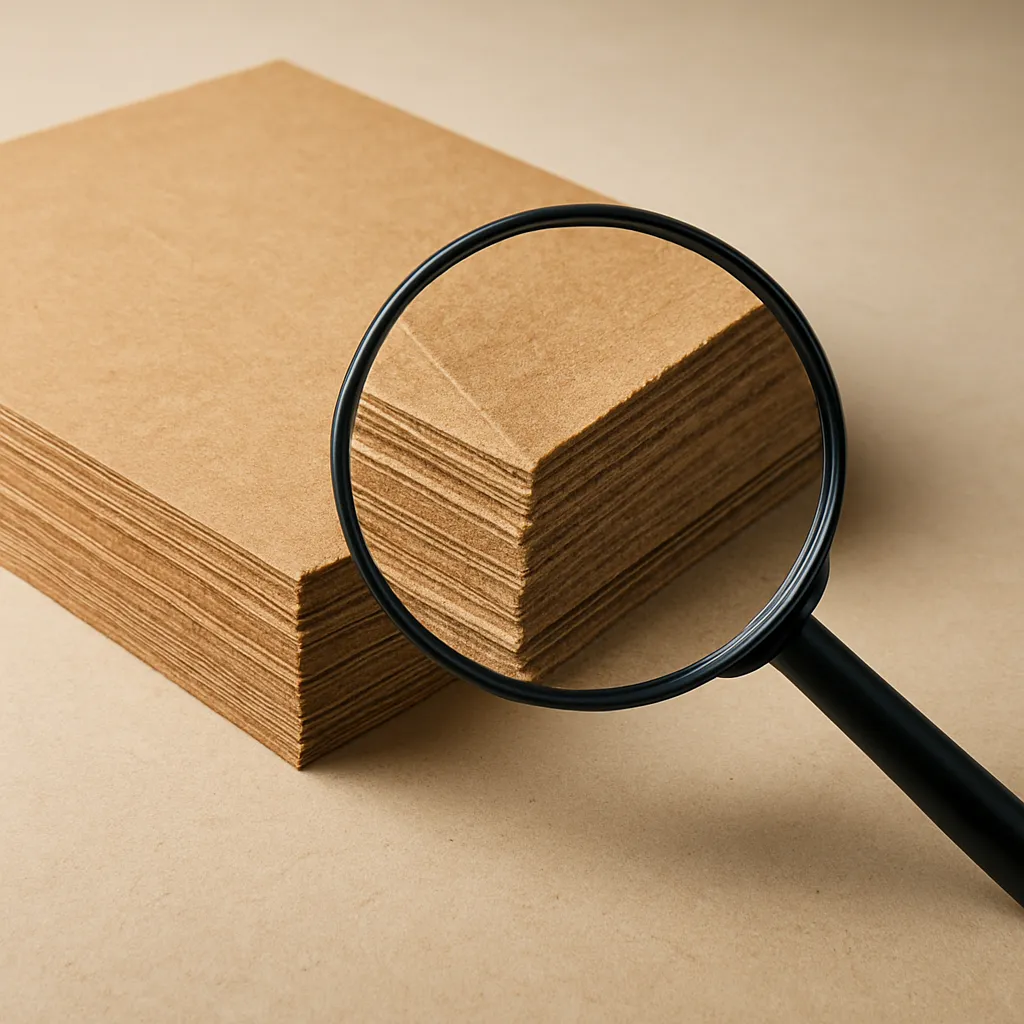
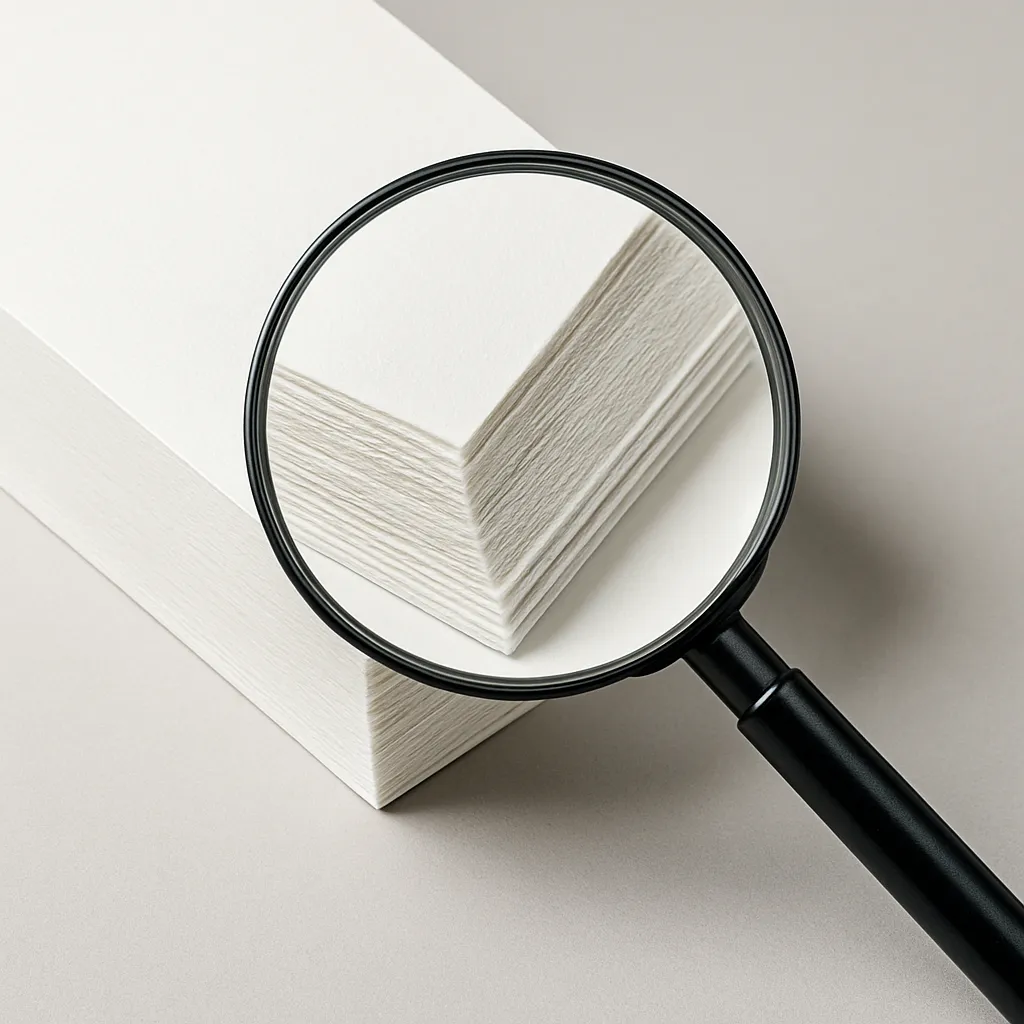
Driven by water conservation and carbon footprint reduction (shipping water weight in plastic bottles is carbon-intensive), major beauty brands are converting shampoos, conditioners, body washes, and facial cleansers into solid soap bar formats. This shift requires secondary custom soap boxes that match high-end skincare aesthetic expectations. Substrates are migrating toward soft-touch tactile coatings, micro-embossing, and heavy-caliper virgin card stocks that rival luxury cosmetic cartons.
3. Supply Chain Traceability via Smart Packaging
B2B procurement protocols are increasingly integrating 2D Data Matrix codes and dynamic QR codes onto custom soap packaging boxes. Beyond simple inventory management, these codes enable enterprise brands to supply consumers with real-time verification of organic certification, batch harvesting dates of raw botanical oils, and step-by-step supply chain sustainability metrics directly through smartphone interaction.
4. Automated Machine-Foldable Structural Geometry
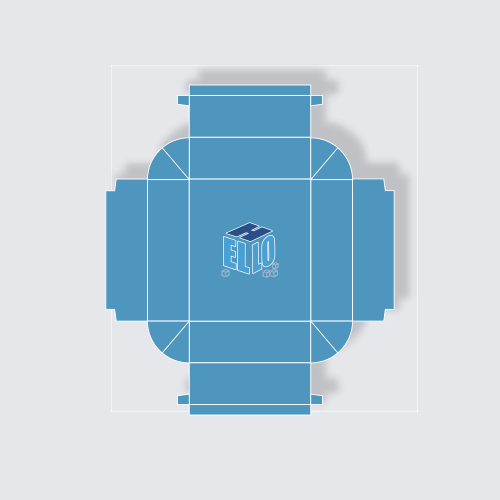
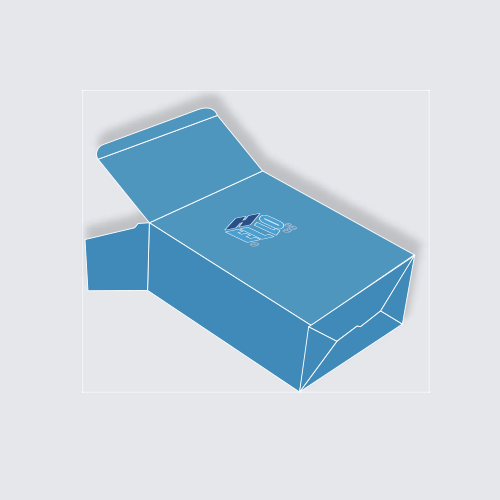
As labor costs rise globally, packaging geometry is being optimized for automated cartoning machinery. Custom soap packaging boxes now feature standardized creasing scores, precise dieline tolerances within ±0.3mm, and modified auto-lock bottom flaps engineered to seamlessly integrate with high-speed automated loading systems running at 150+ units per minute.