Knowledge Base & Articles

Packaging Insights & Industry Guides

Explore expert tips, material comparisons, structural ideas, and packaging trends to elevate your brand's unboxing experience.

0%

Choosing the right Custom Donut Packaging Boxes can shape how customers remember a bakery. Packaging protects delicate toppings, supports clean handling, and presents the product with confidence.

A warm glazed donut needs a different solution from a cream-filled pastry. Sturdy food-grade paperboard can prevent crushing during delivery. A well-fitted insert can keep donuts from sliding across the box. Small ventilation features may reduce condensation, although they do not solve every freshness problem. That detail is easy to overlook.

Brand presentation matters, too. A soft pastel print may suit a boutique bakery, while bold colors can attract attention at a busy café counter. Clear windows help customers view the donuts before opening the box. However, excessive window space can reduce structural strength. Practical design should guide decoration, not follow it blindly.

Reliable suppliers usually provide material specifications, printing samples, and production details. These steps help businesses compare durability, food-contact suitability, sizing, and minimum order quantities. Real testing remains valuable. Fill a sample box, carry it across a shop, and inspect it after delivery. Small flaws become obvious then.

Cost also deserves careful thought. The cheapest box may create damaged products, wasted toppings, or a disappointing unboxing experience. Still, premium packaging is not automatically better. A balanced choice protects the donuts, reflects the brand, and fits everyday operations. Some designs look excellent in photographs but feel awkward in busy hands. That deserves honest reconsideration.
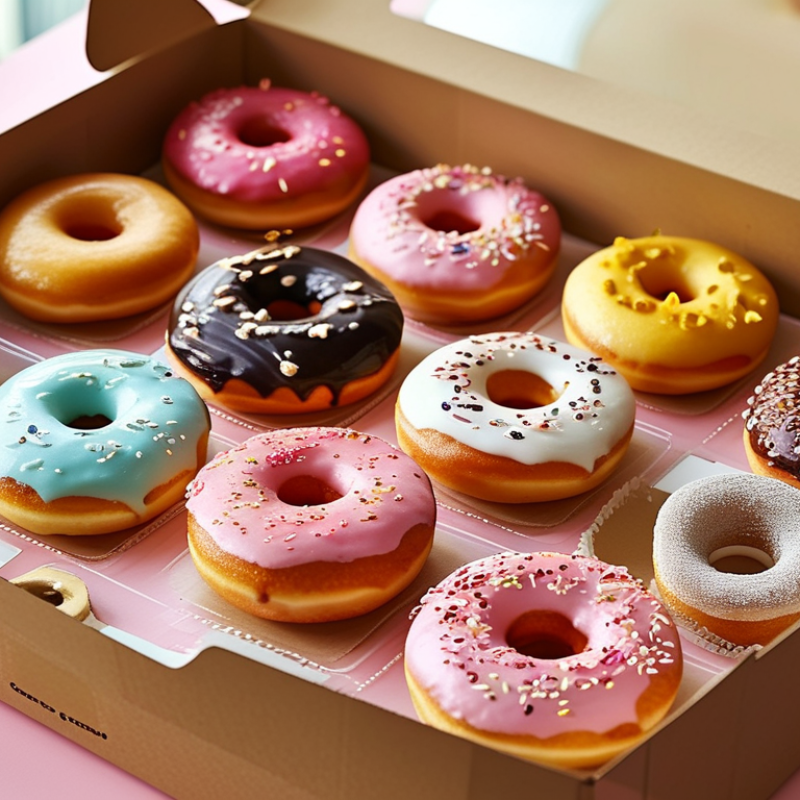
What Are the Best Custom Donut Packaging Boxes?

What Are Custom Donut Packaging Boxes?

Custom donut packaging boxes are containers designed around a donut shop’s products, serving style, and handling needs. They can include tailored sizes, window panels, inserts, handles, and printed artwork. Unlike standard cartons, these boxes fit the donut shape more accurately. This helps reduce sliding, crushing, and messy icing contact.

A well-designed box usually uses food-safe paperboard with suitable grease resistance. Its size should leave enough space around each donut without making the package unnecessarily large. Small vents can help release heat and reduce condensation on fresh pastries. However, too many vents may allow toppings to dry. That detail is easy to overlook. Closure styles also matter. A secure tuck flap protects the contents during delivery, while a clear window improves product visibility at a counter.

In practical packaging tests, I would place decorated donuts inside and gently tilt the box. The icing should remain undisturbed. I would also check the box after refrigeration and short transport. A glossy coating may look attractive, but it can make recycling decisions more complicated. Printed colors should remain clear without overpowering the food. The internal fit deserves careful review, because one loose donut can damage an entire row. Packaging teams should confirm material specifications, food-contact suitability, and print durability with their supplier. A beautiful sample is not enough. Suppliers should provide measurable details, not vague promises.

Which Materials Are Best for Custom Donut Boxes?

What Are the Best Custom Donut Packaging Boxes?

Which Materials Are Best for Custom Donut Boxes?

Material choice affects freshness, appearance, and handling. Food-grade paperboard is a reliable option for everyday donut boxes. It is lightweight, printable, and easy to fold. A 14 to 18-point paperboard thickness often provides enough support for standard donut sizes. However, very soft donuts may leave grease marks on untreated surfaces. That detail is easy to overlook.

Kraft paperboard offers a natural texture and strong shelf appeal. Its brown surface can support simple, warm designs with less ink coverage. Recycled fibers may reduce environmental impact, but they can also create a rougher finish. Check the supplier’s food-contact documentation before production. Recycled does not always mean suitable for direct food contact. A thin water-based coating can improve grease resistance without making the box feel overly glossy.

For filled or heavily glazed donuts, corrugated paper adds more protection during delivery. Its fluted middle layer helps resist crushing and keeps the lid from touching the topping. It may feel bulkier, though. A small window can show the product, but plastic films may complicate recycling. Clear cellulose film is another option, yet it may cost more and require careful sourcing. Test the assembled box with warm, freshly packed donuts for at least one hour. Real conditions often reveal weak corners, trapped condensation, or a lid that opens too easily.

What Are the Best Custom Donut Packaging Boxes?

Which Materials Are Best for Custom Donut Boxes?

This comparison uses a relative 1–5 rating for common donut-box materials. Corrugated fiberboard provides the highest rigidity for delivery and stacking, while kraft and SBS paperboard offer strong printability and recyclability. Grease resistance depends on the use of a food-safe coating, liner, or barrier treatment.

Ratings reflect typical untreated or commonly converted material properties; actual performance varies by board grade, thickness, coating, and box construction.

How Should Donut Boxes Be Designed for Protection and Presentation?

Designing custom donut packaging boxes starts with the pastry’s most vulnerable features: icing, toppings, and soft sides. A strong box should prevent crushing without making each donut difficult to remove. Use food-safe, grease-resistant board with a firm base and clean folds. Ventilation matters when donuts are warm. Small vents can release steam and reduce soggy surfaces. However, too many openings may weaken the structure. That balance needs testing. I have seen attractive boxes fail when a filled donut slides during delivery. Internal dividers, snug cavities, or a shallow tray can limit movement. Leave enough clearance for thick toppings.

Tips: Test the box with real donuts, not empty samples. Shake it gently, stack three filled boxes, and inspect the corners after transport. Check whether glaze touches the lid. Measure temperature changes for fresh batches. A window can improve presentation, but it should not replace structural support. Use a clear panel only when it stays tight and resists grease. Simple print areas often look more premium than crowded artwork. This may be subjective, but customers notice smudged ink and bent edges quickly.

Presentation should guide the eye while protecting the product. A centered logo area, balanced spacing, and a clean opening create a calmer unboxing experience. Color choices should match the donut style, yet contrast remains important for readable product details. Add a secure tuck closure, especially for courier handling. Recyclable materials can be valuable, but their performance depends on moisture resistance and rigidity. Ask a packaging converter for material samples and compression tests. Do not trust appearance alone. A box can look sturdy and still collapse under a small stack.

What Customization Options Improve Donut Packaging?

Custom donut packaging works best when its design matches the product, not just the artwork. A snug box reduces movement and protects delicate icing during delivery. Adjustable inserts can separate filled, glazed, and powdered donuts. This matters.

Material selection also improves performance. Grease-resistant food-grade board helps prevent oil marks and weakened corners. A small ventilation panel can reduce condensation on warm donuts, although oversized openings may expose the product. Clear windows support quick product viewing, while secure locking tabs prevent accidental opening. I recommend testing the closure with a full box, not an empty sample.

Customization should also support handling and brand recognition. A built-in handle helps customers carry several boxes, but weak paper can tear under weight. Printed serving guidance can reduce careless stacking, especially for delivery orders. Recyclable materials may appeal to customers, yet sustainability claims should match verified material specifications. I once preferred a highly detailed box design, but the small text became difficult to read after printing. Simpler layouts often perform better. Still, every bakery has different delivery distances, donut sizes, and storage conditions, so packaging samples should be tested with real products. Warm donuts, sugary toppings, and rough transport reveal problems that a design screen cannot.

What Are the Best Custom Donut Packaging Boxes? - What Customization Options Improve Donut Packaging?

Customization Option Common Specification Packaging Improvement Best Use Practical Considerations Overall Benefit
Food-Grade Paperboard Approximately 300–500 gsm paperboard with a food-contact-compatible surface Provides a clean, rigid structure and helps protect donuts during handling and transport Single donuts, assorted boxes, and takeaway orders Board thickness should match the box size and expected product weight ★★★★★
Grease-Resistant Coating Water-based or dispersion coating applied to the interior surface Reduces oil staining, prevents surface softening, and improves presentation Glazed, filled, fried, or heavily topped donuts Confirm that the coating is suitable for direct or indirect food contact ★★★★★
Die-Cut Viewing Window Clear cellulose film or other food-contact-compatible transparent material Displays the product while helping limit unnecessary box opening Gift boxes, premium assortments, and retail counter displays A window can reduce print area and should be positioned away from high-grease contact points ★★★★☆
Custom Compartments or Inserts Folded paperboard dividers sized for one donut per cavity Reduces movement, topping contact, and product-to-product transfer Mixed flavors, decorated donuts, and delivery orders Insert height should accommodate toppings without pressing against the box lid ★★★★★
Secure Locking Closure Snap-lock, tuck-end, or auto-lock construction Helps keep the lid closed and reduces the need for additional adhesive or tape Takeaway, courier delivery, and stacked food orders Closure strength should be tested after filling and during repeated handling ★★★★★
Ventilation Features Small, strategically placed vents or a controlled breathable structure Allows excess heat and moisture to escape, helping reduce condensation Freshly fried or warm donuts packed shortly before service Vent placement should not allow grease leakage or excessive exposure to contaminants ★★★★☆
Full-Color Exterior Printing Water-based or vegetable-oil-based inks on the outer surface Improves shelf visibility, communicates product information, and supports visual consistency Retail presentation, seasonal collections, and promotional packaging Keep non-food-contact inks on the exterior and allow sufficient drying before packing ★★★★☆
Matte or Gloss Finish Surface coating or lamination selected according to appearance and handling needs Matte finishes provide a soft premium appearance; gloss finishes increase color contrast and wipeability Matte for gift packaging; gloss for bright retail designs Finish selection affects recycling compatibility and should be checked with the packaging supplier ★★★☆☆
Custom Box Dimensions Internal dimensions matched to donut diameter, height, toppings, and quantity Limits product movement and reduces excess empty space during transport Single, two-, six-, twelve-, and mixed-size assortments Measure the tallest topping and allow enough clearance for the lid to close safely ★★★★★
Sustainable Material Choice Recyclable paperboard, recycled-content board, or certified fiber-based stock Can reduce reliance on plastic and support environmentally conscious packaging programs Eco-focused retail, events, and gift orders Recyclability depends on coatings, windows, food contamination, and local recycling rules ★★★★☆
Tamper-Evident Seal Paper label, tear strip, or closure seal designed to show opening Provides visible evidence of interference during delivery or handoff Courier orders, catering, and pre-packed retail products The seal should open cleanly without damaging the product or creating sharp exposed edges ★★★★☆
Product and Handling Information Printed space for flavor names, allergen guidance, storage instructions, and date fields Improves usability and supports clearer communication with customers Assorted boxes, wholesale supply, and pre-packed products Required information varies by market; verify applicable food-labeling regulations before printing ★★★★★

How Can Businesses Choose the Right Donut Packaging Supplier?

Choosing the right donut packaging supplier requires more than comparing prices. Custom boxes must protect glazed surfaces, toppings, and delicate fillings during delivery. Ask suppliers for physical samples before approving large orders. Test the box with warm and chilled donuts. Check for grease marks, weak corners, loose lids, and difficult assembly.

A reliable supplier should explain material grades, printing methods, production limits, and delivery timelines clearly. Request food-contact documentation for your target markets. Confirm minimum order quantities, replacement policies, and proofing procedures in writing. Experienced suppliers can recommend suitable board thickness and ventilation without forcing unnecessary upgrades. Still, their advice should match your product, not just their machinery.

Tips: Measure the largest donut carefully. Leave room for toppings. Test stacking in a delivery bag. Compare two or three samples under real conditions. A beautiful box can fail quickly when condensation appears.

Consider communication quality as part of the supplier’s value. Do they answer technical questions with specific details? Can they provide a digital proof and a pre-production sample? Small errors in logo placement or box dimensions may become expensive across thousands of units. Sustainability also deserves practical attention. Ask whether the board is recyclable, whether coatings complicate disposal, and how much packaging is truly necessary. I would not choose a supplier from a polished catalog alone. A rushed sample may hide production weaknesses. The better choice is usually the supplier who welcomes testing, admits limitations, and improves the design with evidence.

FAQS

What materials are suitable for protective donut boxes?

Use food-safe, grease-resistant board with a firm base. The material should resist moisture and bending during delivery. Appearance alone is not enough.

How can a box protect icing and toppings?

Add internal dividers, snug cavities, or a shallow tray. Leave clearance above thick toppings. This reduces sliding and lid contact.

Why does ventilation matter in donut packaging?

Warm donuts release steam inside the box. Small vents can reduce soggy surfaces. Too many openings may weaken the structure, so testing is necessary.

Should businesses use a window on the box?

A clear window can improve product visibility. It should remain tight and resist grease. Never let it replace structural support.

How should a donut box be tested before production?

Test it with real donuts, not empty samples. Shake it gently and stack three filled boxes. Inspect corners, glaze contact, and lid movement afterward.

What should businesses check when comparing packaging suppliers?

Request physical samples and test warm and chilled donuts. Check grease marks, weak corners, loose lids, and assembly difficulty. A rushed sample can hide problems.

Which supplier details should be confirmed in writing?

Confirm material grades, printing methods, production limits, and delivery timelines. Also verify minimum order quantities, replacement policies, and proofing procedures.

How can packaging remain attractive without becoming excessive?

Use balanced spacing, a clear opening, and a focused print area. Readable contrast matters. Crowded artwork may distract from the donuts.

What sustainability questions should buyers ask?

Ask whether the board is recyclable and whether coatings complicate disposal. Consider moisture resistance and rigidity too. Less packaging is not always better if protection fails.

Conclusion

Custom Donut Packaging Boxes are purpose-built containers designed to protect donuts while presenting them attractively for retail, delivery, events, and gifting. The best materials are usually food-safe, durable, and lightweight, such as sturdy paperboard or corrugated board, with grease-resistant coatings when needed. A well-designed box should provide enough space to prevent toppings from being damaged, keep donuts stable during transport, and allow convenient opening without affecting freshness or appearance.

Businesses can improve donut packaging through custom sizes, compartments, inserts, windows, handles, and printed designs that reflect their visual identity. Features such as ventilation, secure closures, recyclable materials, and easy stacking can further enhance usability and sustainability. When choosing a supplier, businesses should evaluate material quality, printing accuracy, customization flexibility, production capacity, delivery reliability, and pricing. Selecting a supplier that understands food packaging requirements helps ensure the final boxes balance protection, presentation, convenience, and cost.


Elowen

Elowen

Elowen is a dedicated marketing professional and a trusted contributor to our company’s website, where thoughtful insights and practical guidance are shared through regularly updated blog articles. With a strong understanding of our products, industry trends, and customer needs, Elowen transforms......