Knowledge Base & Articles
Explore expert tips, material comparisons, structural ideas, and packaging trends to elevate your brand's unboxing experience.
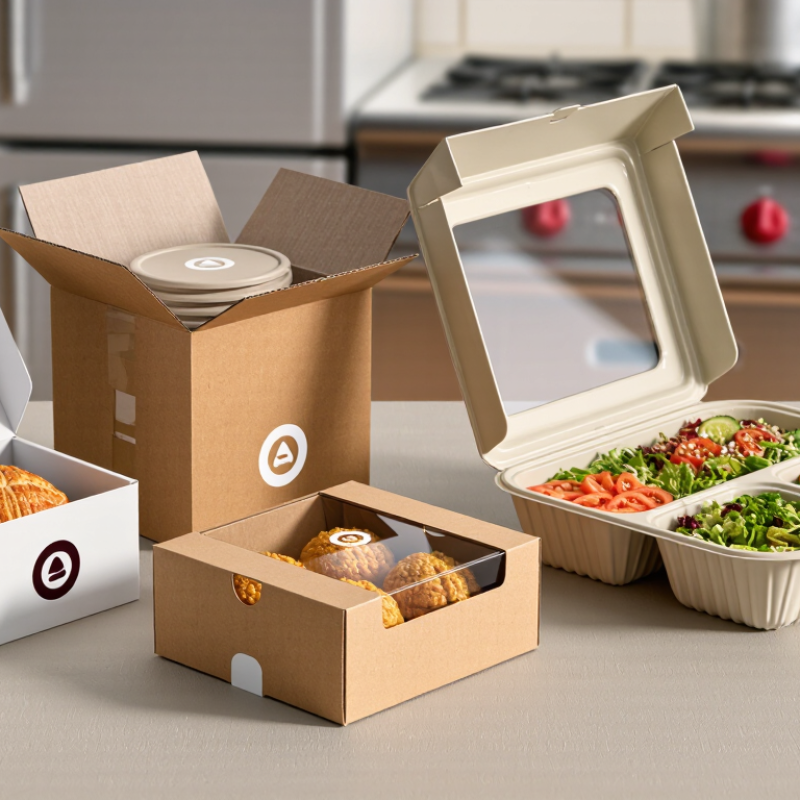
Custom Food Packaging Boxes do more than carry a meal from kitchen to customer. They help manage moisture, grease, temperature, stacking, and the small shocks of delivery. A crisp pastry needs a different structure from a saucy noodle bowl. A chilled salad has different demands again. In this 2026 guide, we explore common box types, including folding cartons, corrugated delivery boxes, window boxes, and compartment trays. Each has trade-offs. A stronger wall may protect food better, but it can add weight and storage demands.
Food-packaging researcher Dr. Joseph Hotchkiss’s work points to a useful principle: “Packaging should protect food quality and function well in real handling conditions.” This is a paraphrase, not a direct quotation. That distinction matters when choosing whose advice to trust. Good decisions also depend on the actual menu, serving temperature, portion size, and delivery route—not just a polished product photo. Consider a burger sliding against the box wall, or steam softening a crisp coating. Small details can change the customer’s experience.
Some choices are less obvious. A window can show off a pastry, yet may reduce the space available for structural support. Compartments can keep sides apart, but they may complicate packing. There is no perfect box for every meal. A little trial and honest review help. The sections ahead compare materials, shapes, closures, and use cases, so buyers can match a box to the food it must protect.
2026 Top Types of Custom Food Packaging Boxes
What Custom Food Packaging Boxes Are and How They Work
Custom food packaging boxes are made to fit a product, its serving size, and its route to customers. They may use folding paperboard, corrugated board, or a box paired with a food-contact liner. The box provides structure and space for labels; a suitable inner layer helps separate food from the outer material. Fit matters. A snug insert can steady pastries, while ventilation openings may help prevent some baked goods from becoming soggy. The right design depends on the food, filling process, storage conditions, and delivery time.
In practice, a box is specified, printed or left plain, folded, filled, and closed. Its panels protect food during handling, and its shape helps workers stack, carry, or display it. FAO’s 2023 State of Food and Agriculture report estimates that 13.2% of food is lost after harvest and before retail. Packaging is only one part of reducing damage and loss; it cannot fix poor temperature control or rough handling. Small details count. A box that looks sturdy may still collapse when damp, and I would test it under realistic storage conditions before choosing a final design.
UNEP’s Food Waste Index Report 2024 estimates that 1.05 billion tonnes of food were wasted in 2022 across households, food service, and retail. That figure is not a packaging-performance measure, but it shows why protection, portioning, and clear storage instructions deserve attention. Customization should solve a specific handling problem, not add layers by default. A practical test: pack the actual product, stack the boxes, and check them after transit.
Corrugated food packaging boxes use fluted paper between liner sheets to add cushioning and structural support. Taller flutes generally provide more cushioning, while shorter flutes can create a smoother surface for printing. Heights are typical approximate values; actual dimensions vary by board grade and manufacturer.
The right box structure protects food and makes serving easier. Tuck-end cartons suit dry snacks, pastries, and small takeaway portions. Their folding flaps close neatly, though heavy contents may need a sturdier board. Sleeve boxes slide over a tray or inner carton. They add a clean display surface without fully enclosing the food. For delivery, mailer-style boxes offer more coverage and space for cushioning. They can feel bulky for lightweight items.
Food trays work well for cupcakes, sandwiches, and baked goods that need a stable base. Add a fitted lid or window when visibility matters, but check that the contents stay secure during handling. Gable-top boxes are easy to carry and suit meals or treats, while their handle can weaken under excess weight. No single shape fits every menu. A sample may look right on a table, then shift during a real delivery test.
Food packaging works best when the box suits the food’s shape, weight, and texture. Cookies and brownies fit well in tuck-top bakery boxes, with inserts to prevent sliding. Window panels help shoppers inspect decorated treats, but they can expose food to light and handling. For delicate pastries, a deeper box with a firm base offers better protection. A little headroom matters.
Greasy meals, sandwiches, and slices of pizza need sturdy cartons that resist leaks and hold their shape. Corrugated boxes suit heavier or delivery-focused orders, while folding cartons can work for lighter portions. Add ventilation for hot foods that release steam; otherwise, crisp coatings may turn soft. Small details change the result.
Dry snacks, tea, and cereal often use folding cartons paired with an inner pouch to help preserve freshness. Fresh produce may need ventilated boxes that allow airflow and support stacking. Match the box size to the actual portion, not an idealized product photo. I’d still test real samples: a box that looks right on screen can buckle under a moist filling. Verify that any surface touching food is suitable for that use.
Food packaging starts with the food itself. Dry pastries may travel well in uncoated paperboard, while saucy meals need stronger grease and moisture barriers. Corrugated board adds cushioning for delivery, though its bulk can take up valuable storage space. Molded fiber offers a firm shape for items such as fruit or baked goods. Each material has limits.
A box should protect food without making service awkward. Folded tabs can secure a lid, and a snug base helps prevent spills. Small ventilation holes may reduce trapped steam around hot foods, but too many can dry out the contents. A clear window can show a pastry’s texture; it also adds another material layer, which may complicate disposal. Details matter.
Food-contact suitability must be checked for the intended food, temperature, and storage time. A coating that works for a cool sandwich may not suit a hot, oily meal. Testing with the actual product is more reliable than judging a sample by appearance alone. Check for leaks, softened corners, and odors after realistic handling. The right choice is rarely perfect. Cost, protection, and end-of-use options can pull in different directions.
| Packaging Box Type | Common Materials | Typical Food Uses | Design Features | Material and Use Considerations |
|---|---|---|---|---|
| Folding Carton | Paperboard, often with a printed outer surface; food-contact barrier layers may be used where needed. | Cereal, frozen foods, dry snacks, tea, and packaged bakery products. | Ships flat, folds into shape, supports printed graphics, and can include windows, dividers, or tuck-end closures. | Paperboard alone is not a moisture or grease barrier. Recyclability depends on local systems and any coatings, laminates, or attached components. |
| Corrugated Shipping Box | Corrugated fiberboard made with a fluted paper layer between linerboards; food-grade liners or inserts may be added. | Produce, meal kits, beverage multipacks, and transport of packaged foods. | Offers cushioning and stacking strength; can be designed with handles, partitions, ventilation holes, or insulated liners. | Corrugated board can lose strength when wet. Direct food contact requires appropriate materials and hygienic handling; ventilation and insulation should match the product and supply chain. |
| Grease-Resistant Takeout Box | Paperboard or molded fiber with a grease-resistant treatment or a suitable inner barrier. | Fried foods, pastries, sandwiches, and other takeaway meals. | Folded or tab-lock construction, optional vents to release steam, and surfaces suited to food-service printing. | Heat, oil, and moisture performance varies by construction. Barrier treatments can affect compostability and recyclability, so claims should be checked against local facilities. |
| Bakery Window Box | Paperboard box with a clear window made from a suitable transparent film or cellulose-based material. | Cakes, cookies, pastries, and confectionery. | Displays the product while helping protect it from handling; may include a fitted insert or reinforced base. | The window and adhesive should be suitable for the intended food-contact conditions. Mixed materials may need to be separated before recycling where local rules require it. |
| Molded-Fiber Food Box | Molded pulp made from recovered paper or other plant fibers; some designs use coatings or added barrier layers. | Produce, bakery items, and certain takeaway foods. | Rigid, lightweight form can provide cushioning and a natural texture; compartments and fitted lids can be molded into the design. | Uncoated fiber generally has limited resistance to liquids and grease. Food-contact suitability, fiber source, and end-of-life options depend on the specific product and local requirements. |
| Rigid Paperboard Gift or Specialty Box | Thick paperboard or wrapped board, often used with a food-safe inner tray, liner, or sealed primary package. | Chocolate assortments, confectionery, premium bakery items, and seasonal food gifts. | Provides a firm presentation structure and can accommodate inserts, sleeves, magnetic-style closures, or multiple compartments. | The decorative outer box is not automatically suitable for direct food contact. Use a verified food-contact layer or keep food in a sealed primary package. |
| Takeout Noodle or Meal Box | Coated paperboard, barrier-treated paper, or another food-contact material selected for the menu and service conditions. | Noodles, rice dishes, salads, and prepared takeaway meals. | Folded closure can reduce spills; optional vents help manage steam, while a stable base supports carrying and serving. | Check leak resistance, temperature limits, and compatibility with oily or acidic foods. Microwave suitability should be clearly confirmed for the complete package design. |
| Produce Box with Ventilation | Corrugated fiberboard or paperboard with food-appropriate liners or inserts when required. | Berries, vegetables, and other fresh produce transported or displayed in retail settings. | Vent holes support airflow; dividers and cushioning can help limit bruising during transport. | Ventilation needs depend on the produce and distribution conditions. The box should be designed for expected stacking loads, humidity, and handling. |
| Design note: Food-contact compliance, barrier performance, temperature limits, and disposal options depend on the exact material construction, intended food, and applicable local regulations. Verify these details with the packaging supplier before use. | ||||
Choosing custom food packaging boxes in 2026 starts with the food, not the artwork. A dry pastry needs a different barrier than a chilled salad or oily takeaway meal. Note serving size, fill temperature, storage time, and delivery conditions. Small details matter. A box that looks sturdy can soften after ten minutes beside hot, steamy food.
Match the structure to handling: tuck-top cartons suit many bakery items, while reinforced bases help heavier portions travel more steadily. For greasy or moist foods, ask about suitable liners or coatings and test for leaks, odor, and flavor transfer. Request material specifications and food-contact documentation from the supplier. Then make a small production sample and pack it exactly as staff would.
Check whether the box stacks securely, opens without tearing, and fits existing delivery bags. Measure the filled package, not just the empty carton. Compare print coverage, minimum order quantities, and storage space; elaborate finishes may add cost without improving protection. Recyclability depends on the full material design and local collection systems, so avoid assuming a coating is harmless. Teams sometimes choose a box before confirming its real packing speed. A timed trial can reveal that.
They are boxes designed around a food’s size, weight, shape, and delivery route. They may use paperboard, corrugated board, or a food-contact liner.
Their panels support food during handling, stacking, and carrying. A snug insert can steady pastries, while a firm base can reduce spills. Not foolproof.
Tuck-top bakery boxes suit cookies and brownies. Inserts can stop treats sliding, while deeper boxes help protect delicate pastries.
Small ventilation openings may release steam from hot meals. Too many openings can dry food out, so test the real portion.
Choose a sturdy carton with barriers suited to grease and moisture. Corrugated board can support heavier delivery orders, but it needs more storage space.
An inner pouch can help preserve freshness inside a folding carton. The right setup depends on the food and storage conditions.
Check food-contact suitability for the intended food, temperature, and storage time. A coating suitable for a cool sandwich may not suit a hot, oily meal.
Pack the actual food, stack the boxes, and check them after realistic handling. Look for leaks, soft corners, odors, or buckling. A photo cannot show everything.
A window can display a pastry, but it may expose food to light and handling. Extra layers may also complicate disposal. I’d question whether each feature solves a real problem.
Custom Food Packaging Boxes are designed to protect food, support convenient handling, and present products clearly from packing to serving. Common structural options include folding cartons, trays, sleeves, window boxes, and sturdy takeaway boxes. Each shape suits different needs: trays can hold baked goods or prepared meals, while compartmentalized boxes help keep separate items organized. The best structure depends on the food’s size, weight, texture, and serving style.
Material and feature choices also affect performance. Food-grade paperboard, corrugated board, and other suitable packaging materials can provide different levels of strength, insulation, and moisture resistance. Closures, dividers, ventilation, and easy-open designs may further improve usability. When choosing packaging in 2026, consider product protection, storage and delivery conditions, customer convenience, print requirements, and environmental goals. Matching the box type and materials to the food helps create packaging that is practical, appealing, and fit for its purpose.