Knowledge Base & Articles
Explore expert tips, material comparisons, structural ideas, and packaging trends to elevate your brand's unboxing experience.
Engineered for global export compliance, structural integrity, and brand distinction. Choose from our baseline OEM configurations or request custom die-line adjustments.
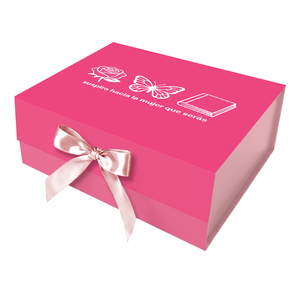
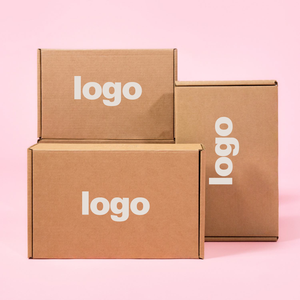
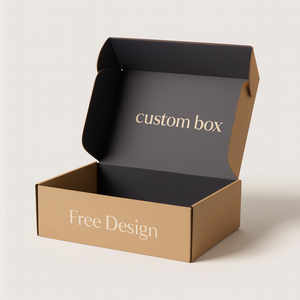
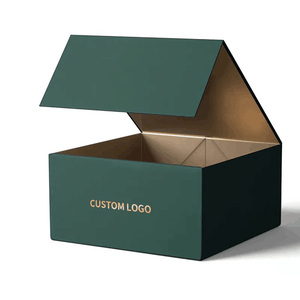

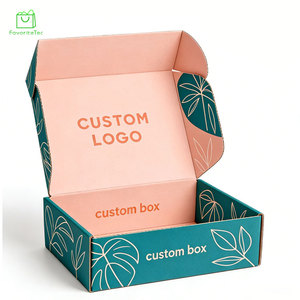
An in-depth analysis of material science, structural engineering, structural integrity standards, and direct factory procurement economics for global brands.
In the contemporary global supply chain ecosystem, paper packaging—specifically unbleached virgin Kraft paperboard and high-ECT corrugated fiberboard—has evolved from a basic shipping container into a strategic brand asset. Modern international buyers sourcing from China wholesale Kraft box manufacturers require more than simple quote matching; they demand technical transparency, raw pulp traceability, environmental compliance (such as FSC and REACH standards), and rigorous mechanical performance metrics.
As direct OEM/ODM manufacturers, Chinese packaging facilities have integrated advanced European offset printing presses (such as Heidelberg Speedmaster and KBA Rapida series) with automated high-speed die-cutters and folder-gluers. This industrial convergence enables high-precision mass manufacturing at scalable price points that remain unmatched in Western manufacturing hubs.
Understanding the mechanical properties of Kraft paperboard is crucial for procurement officers to optimize protection while avoiding over-packaging costs. Kraft paper is produced via the chemical Kraft process, which treats wood chips with a hot mixture of water, sodium hydroxide, and sodium sulfide. This process degrades lignin, preserving strong cellulose fibers that grant Kraft paper its renowned tensile strength and burst resistance.
| Kraft Grade Name | Grammage (GSM) | Fiber Composition | Burst Index (kPa·m²/g) | Primary B2B Application |
|---|---|---|---|---|
| Virgin Unbleached Kraft (SVK) | 120 - 450 GSM | 100% Long-fiber softwood pulp | > 3.8 | Heavy-duty retail cartons, food packaging, mailers |
| Recycled Testliner (TLK) | 110 - 300 GSM | 100% Recovered post-consumer waste | 2.2 - 2.8 | Secondary shipping cartons, inner dividers, eco-line packaging |
| White-Top Kraft Liner (WTK) | 140 - 350 GSM | Bleached virgin top layer / Kraft base | > 3.2 | High-graphics retail boxes requiring vivid CMYK offset printing |
| Coated Natural Kraft (CNK/SUS) | 180 - 460 GSM | Solid unbleached Kraft with clay coating | > 4.0 | Beverage multipacks, frozen food boxes, high-moisture packaging |
When engineering Kraft shipping boxes and mailers, Chinese factory technicians rely on two fundamental mechanical stress metrics:
By specifying exact ECT standards (e.g., 32 ECT for standard parcel shipping; 44 ECT to 200# double-wall for heavy export logistics), procurement teams ensure zero carton collapse during long-haul sea freight from China ports to Western distribution centers.
How shifting international environmental regulations, raw material innovations, and consumer unboxing preferences are transforming Chinese box manufacturing.
Traditional poly-laminated (PE) Kraft boxes pose recycling challenges in municipal repulping plants. Forward-thinking Chinese factories are replacing polyethylene films with water-based acrylic and aqueous barrier coatings. These advanced coatings provide grease, oil, and moisture resistance for food and cosmetic boxes while maintaining 100% repulpability under standard EN 13430 and ASTM D6868 standards.
With air freight and parcel delivery rates rising, global buyers are abandoning bulky rigid boxes in favor of engineered micro-flute Kraft boards (F-flute, N-flute, and E-flute). Measuring between 0.6mm and 1.5mm in thickness, micro-flute Kraft offers rigid structural protection with a 30% reduction in tare weight, significantly lowering international logistics expenses and carbon footprints.
Enterprise buyers now require complete chain-of-custody documentation. Leading Chinese manufacturers are integrating blockchain-backed FSC certification tracing paper pulp from responsibly managed pine and eucalyptus forests directly to finished box shipments. This audit readiness protects brands against anti-greenwashing penalties in Europe (EUDR compliance) and North America.
The consumer unboxing experience drives repeat purchases. Recent procurement trends show a surge in hybrid Kraft structures—such as collapsible rigid boxes with embedded neodymium magnets and blind debossing on raw Kraft textures. This approach yields a premium tactile impression while shipping flat to optimize overseas warehousing storage space.
By eliminating middle-tier trading markups and consolidating CAD structural engineering, printing, and automated finishing under one roof, we deliver distinct commercial benefits.
Equipped with Swiss Zünd digital sample plotters and automatic CNC laser die-makers, we eliminate third-party tooling delay. Structural 3D CAD dielines are produced within 24 hours, and physical structural prototypes are dispatched in under 3 days.
Our high-speed 6-color Heidelberg offset printing lines utilize vegetable-based soy inks. This configuration achieves precise Pantone color matching (Delta E < 1.5) on absorbent natural Kraft fibers without compromising repulpability.
We manage complete export customs clearance, ISF filings, ocean freight containerization, and inland trucking across North America, Europe, Australia, and Asia. Delivered Duty Paid (DDP) terms mean zero surprise landed tariffs or port fees.
Essential technical and commercial answers to help procurement managers evaluate lead times, sample approvals, and custom structural specifications.
Connect directly with our structural engineering team. Request free CAD dielines, paperboard sample kits, and factory-direct volume pricing within 12 hours.
Contact Us