1. Architectural Anatomy & Engineering Mechanics of Reverse Tuck End Cartons
In the global retail and consumer packaged goods (CPG) sectors, Custom Reverse Tuck End (RTE) Boxes represent the single most widely manufactured paperboard carton geometry. Structural engineers and procurement officers consistently specify the reverse tuck end configuration because it achieves an optimal balance between structural rigidity, unboxing ergonomics, and raw paperboard cost efficiency.
The defining structural characteristic of an RTE box is the opposing directions of its top and bottom tuck closure flaps:
- Top Closure Flap: Folds from the front panel over the top opening and inserts toward the back panel of the carton.
- Bottom Closure Flap: Folds from the back panel over the bottom opening and inserts toward the front panel of the carton.
This opposing orientation creates a key mechanical advantage during high-volume lithographic printing and die-cutting operations. Because the top and bottom closure flaps project in opposite directions along the unfolded dieline, adjacent cartons can be mirrored and nested tightly against one another on the press sheet. This interlocking dieline layout minimizes paperboard scrap between cartons, yielding up to 18% more finished boxes per printing sheet compared to Straight Tuck End (STE) boxes, where both flaps extend toward the same side.
Information Gain: Dieline Sheet Optimization Formula
When running a gang-run press sheet of 28" x 40" Solid Bleached Sulfate (SBS) board, an RTE dieline layout allows for a 4x6 grid configuration (24 units/sheet) versus a 4x5 grid (20 units/sheet) for standard straight tucks. Over a 100,000-unit production run, this sheet nesting efficiency reduces raw material consumption by approximately 4,166 sheets, yielding direct unit cost savings of 8% to 14% on paperboard stock alone.
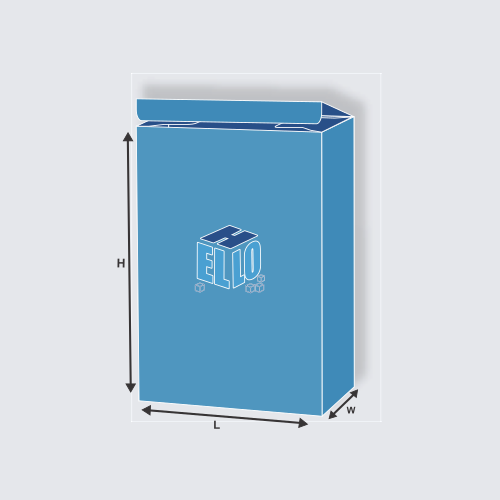
Figure 1: Standard Reverse Tuck End (RTE) Structural Dieline showing opposing tuck flaps, side glue joint, and dust flaps.
2. Industry Product Recommendations & Structural Variations
Custom reverse tuck end boxes are highly adaptable across multiple industries. Depending on your product's weight, dimensions, fragile components, and retail shelf requirements, Hello Custom Boxes recommends specific material grades and structural enhancements:
A. Cosmetic & Skincare Cartons
Cosmetic products such as foundation bottles, serum droppers, face creams, and lip glosses demand pristine surface print quality and rigid structural protection. For cosmetics under 12 oz, we recommend 18pt to 24pt Solid Bleached Sulfate (SBS) paperboard with a soft-touch matte lamination or spot UV accents. Dust flaps should be engineered with a 1/16-inch offset to prevent dust ingress onto delicate dropper tips.
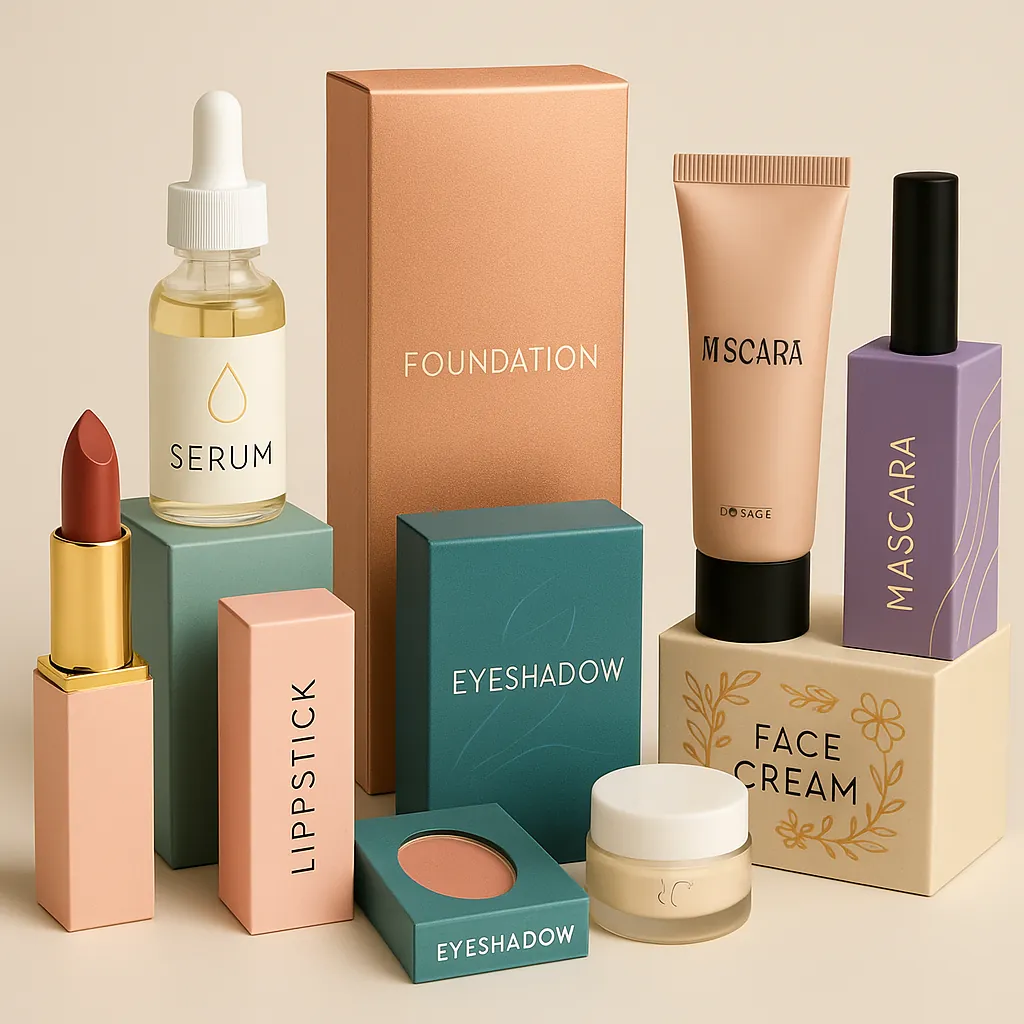
- Material: 18pt C1S SBS Board (350 GSM)
- Finishing: Soft-Touch Matte Lamination + Hot Gold Foil Stamping
- Closure: Friction Lock Top / Slit-Lock Bottom
- Internal Support: Custom SBS paperboard neck insert for glass dropper stability
B. Pharmaceutical, Nutraceutical & Supplement Packaging
Pharmaceutical products, tincture bottles, and dietary supplements require secure closures to prevent accidental opening during transit. We recommend Reverse Tuck Cartons with Slit-Lock Tabs. Slit-locks incorporate small die-cut notches on the shoulders of the tuck flap that catch firmly against the interior dust flaps. Additionally, tamper-evident tear strips or security sticker seals can be applied over the top tuck seam.
C. Gourmet Food, Bakery & Confectionery Cartons
For bakery goods, specialty teas, chocolates, and artisan treats, sustainability and food safety are paramount. We recommend 18pt to 24pt Unbleached Natural Kraft paperboard or food-grade barrier-coated SBS. Kraft board provides a rustic, eco-conscious aesthetic while maintaining high tear resistance and burst strength.
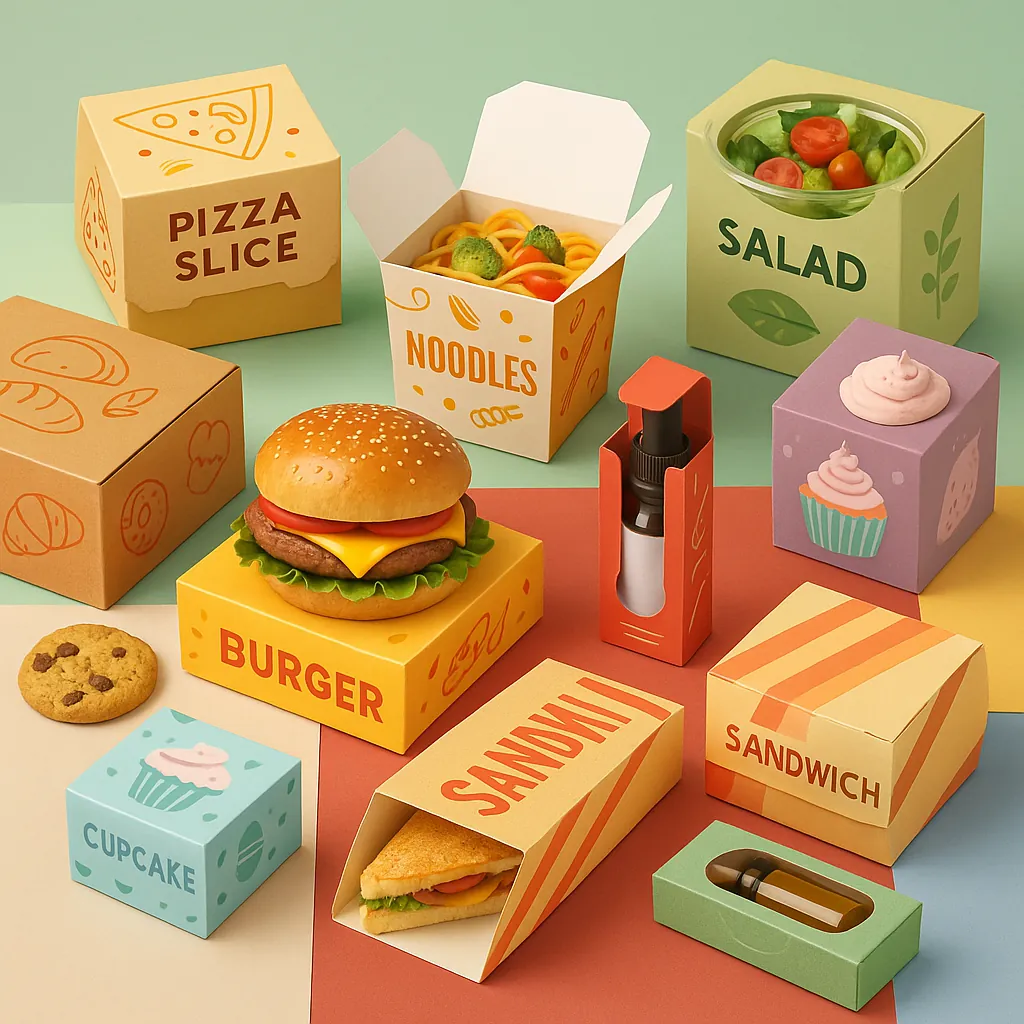
- Material: 20pt Natural Kraft (100% Recycled content)
- Add-ons: Custom Die-Cut PET or Plant-Based Cellulose Window
- Print: Soy-based non-toxic inks with matte varnish
- Function: Grease-resistant lining for direct food contact
D. Electronics, Tech Accessories & Hardware
Heavier items like smart home sensors, charging cables, computer peripherals, and automotive components require enhanced compression strength and shock absorption. For these applications, a standard paperboard folding carton may bend under load. We recommend Micro-Flute Corrugated Reverse Tuck Boxes (E-Flute or F-Flute), which pair lightweight corrugated fluting with a printable SBS face sheet.
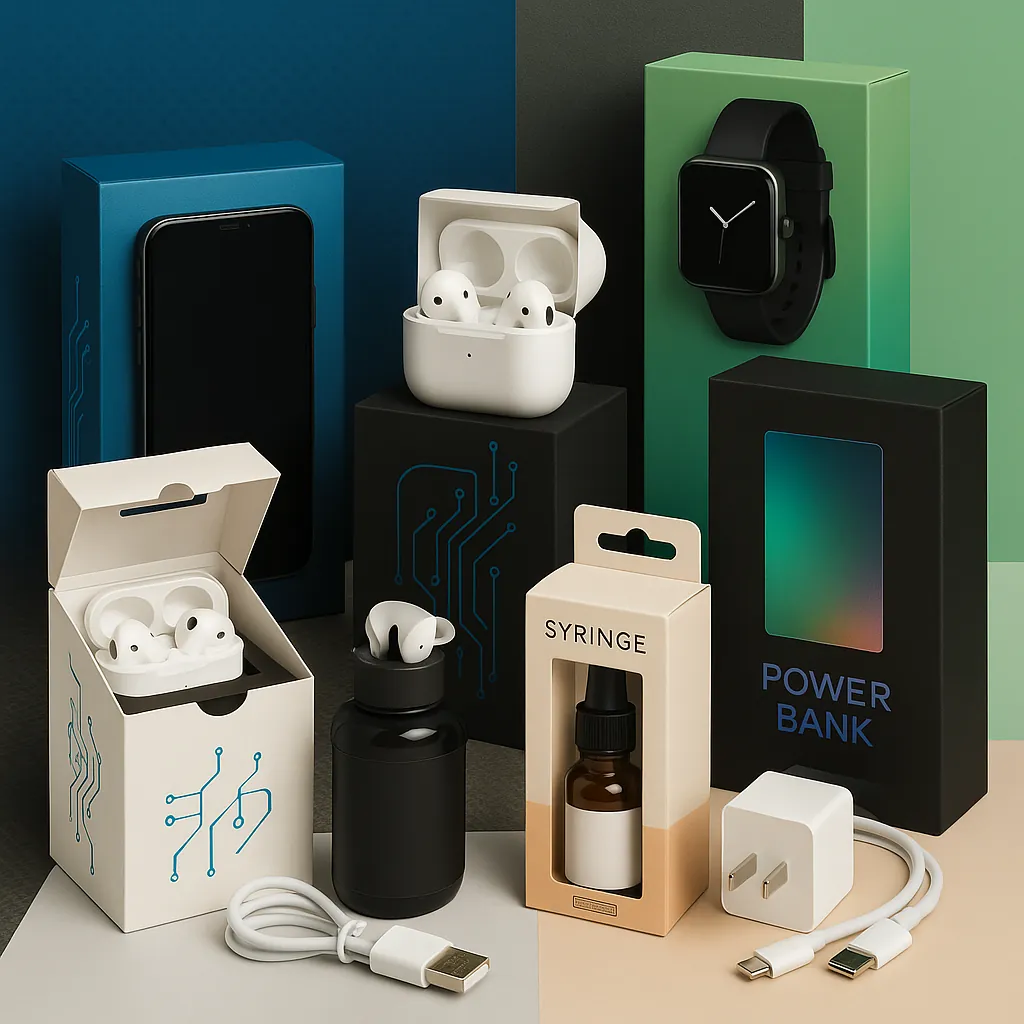
- Material: E-Flute Corrugated (1/16" thickness) laminated to 12pt C1S Paperboard
- Capacity: Holds products up to 3.5 lbs without bottom sag
- Structure: Slit-Lock top and bottom flaps with reinforced side dust-guard flaps
- Insert: Custom thermoformed tray or die-cut anti-static foam insert
3. Material Specifications, Caliper Selection & Structural Integrity Index
Selecting the exact paperboard caliper (thickness measured in points, where 1pt = 0.001 inches) is critical to ensuring your custom reverse tuck end boxes perform flawlessly on store shelves and shipping corridors without sagging, tearing, or crushing.
| Board Type | Standard Caliper Range | Grammage (GSM) | Maximum Load Capacity | Best Suited Applications |
|---|---|---|---|---|
| SBS (Solid Bleached Sulfate) | 14pt – 24pt (0.014" – 0.024") | 280 GSM – 450 GSM | Up to 1.5 lbs (0.7 kg) | Cosmetics, pharmaceuticals, retail beauty, CBD bottles, luxury gifting. |
| C1S / C2S Coated Board | 16pt – 22pt (0.016" – 0.022") | 300 GSM – 420 GSM | Up to 1.2 lbs (0.55 kg) | Retail software, light hardware, candles, confectionery boxes. |
| Natural Unbleached Kraft | 18pt – 28pt (0.018" – 0.028") | 320 GSM – 500 GSM | Up to 2.0 lbs (0.9 kg) | Organic soaps, eco-friendly apparel accessories, artisan food products. |
| F-Flute Corrugated | 1/32" Flute Thickness | 650 GSM Equivalent | Up to 3.0 lbs (1.35 kg) | Heavy glassware, essential oil multipacks, small electronics. |
| E-Flute Corrugated | 1/16" Flute Thickness | 800 GSM Equivalent | Up to 5.0 lbs (2.25 kg) | Heavier tech gear, automotive replacement parts, retail subscription boxes. |
Paperboard Material Comparison for RTE Manufacturing
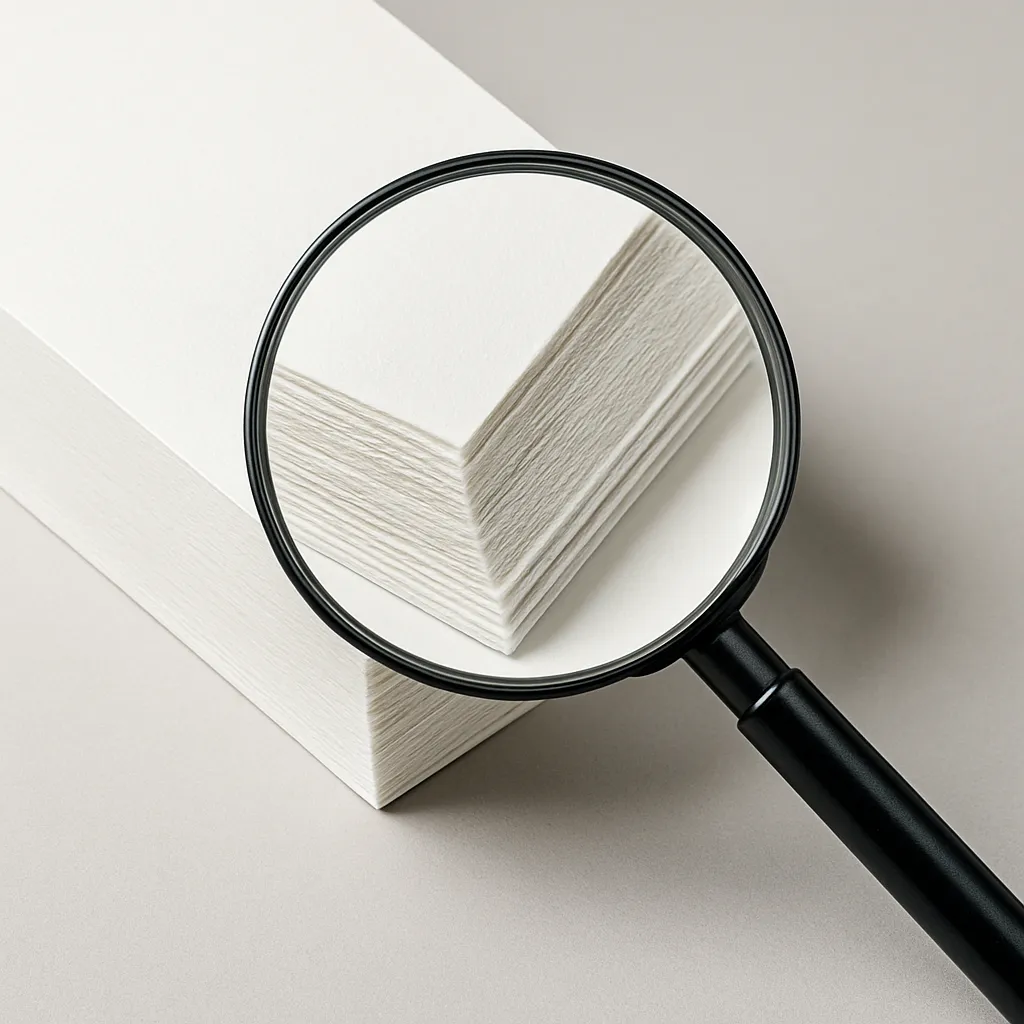
Solid Bleached Sulfate (SBS)
Virgin wood-pulp board featuring a smooth clay-coated surface. Offers premium white brightness, high tear resistance, and crisp halftone print quality.
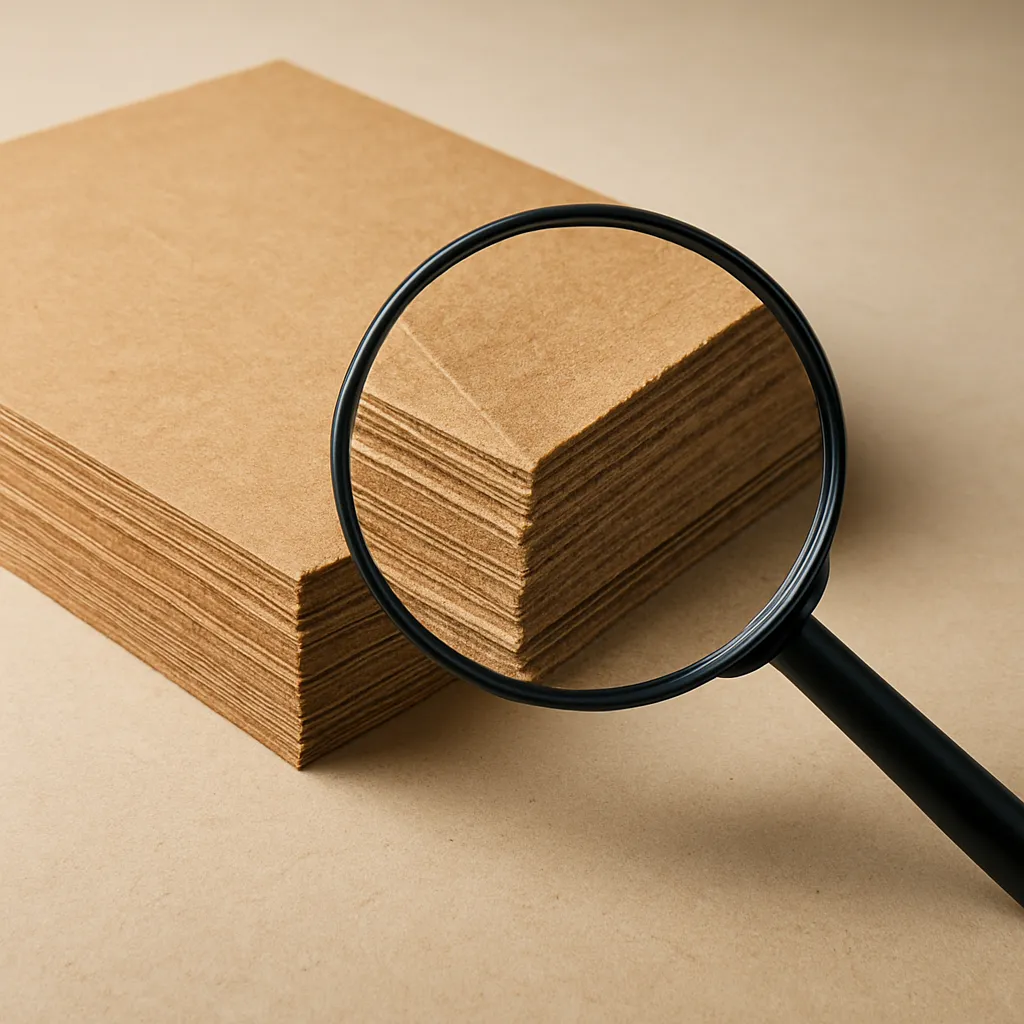
Unbleached Natural Kraft
100% recyclable virgin or post-consumer recycled fibers. High tensile strength with a natural tactile feel, ideal for sustainable positioning.
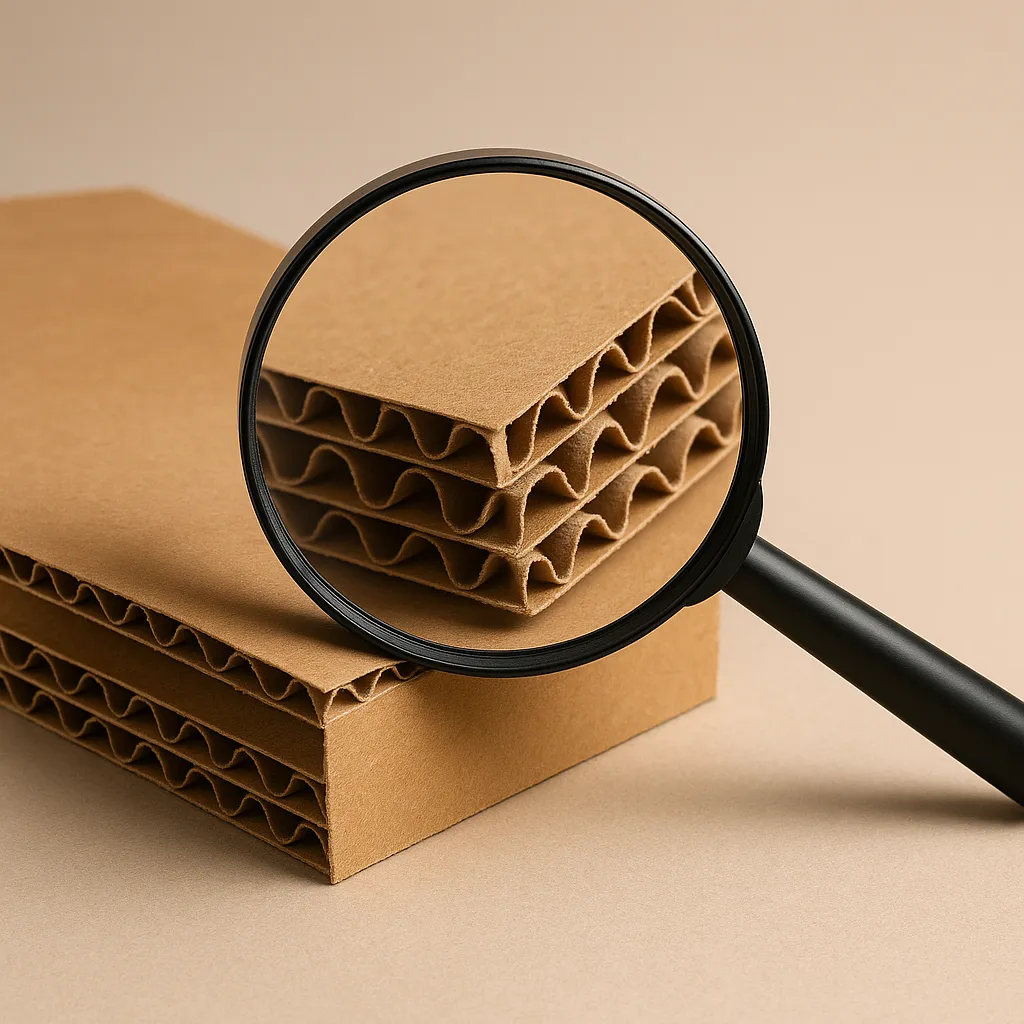
Micro-Flute Corrugated
E-Flute and F-Flute wave patterns sandwiched between linerboards. Provides superior crushing resistance and stacking strength for shipping.
4. Structural Engineering Comparison: Reverse Tuck vs Straight Tuck vs Auto Bottom
Enterprise buyers often ask whether a Reverse Tuck End (RTE), a Straight Tuck End (STE), or an Auto-Bottom (Crash Lock) box is the best choice for their product line. The matrix below outlines the critical mechanical and economic trade-offs:
| Engineering Criteria | Reverse Tuck End (RTE) | Straight Tuck End (STE) | Auto Bottom / Crash Lock |
|---|---|---|---|
| Sheet Nesting Yield | Optimal (Highest) | Moderate (5-15% more waste) | Low (Irregular dieline shape) |
| Unit Production Cost | Lowest | Moderate | Higher (Requires pre-gluing step) |
| Assembly Speed (Manual) | Fast (~4-6 seconds) | Fast (~4-6 seconds) | Instant (<2 seconds push-open) |
| Machine Cartoning Compatibility | High (Friction/Slit locks) | Highest (Standard for high-speed cartoning) | Moderate |
| Front Display Appearance | Clean (Top tucks to back; bottom tucks to front) | Pristine (Both tucks to back) | Clean front, folded bottom base |
| Bottom Heavy-Load Support | Good (With Slit-Lock tabs) | Good (With Slit-Lock tabs) | Maximum (Interlocking base) |
Need Structural Dieline Assistance or Physical Prototypes?
Our packaging engineers prepare custom CAD dielines, 3D digital rendering proofs, and plain structural samples within 2 hours. Talk directly with our technical team today.
5. Global Procurement Trends & Future Industry Developments (2026–2030)
As global supply chains adapt to evolving environmental regulations, high-speed warehouse automation, and AI-driven inventory logistics, the manufacturing and specification of custom reverse tuck end boxes are undergoing significant technological transformations.
Trend 1: High-Speed Automated Cartoning Machinability
High-volume brands in pharmaceuticals, cosmetics, and packaged foods are rapidly transitioning from manual hand-folding to automated cartoning machinery (such as continuous-motion or intermittent cartoners running at 150 to 400 cartons per minute). In 2026 and beyond, reverse tuck dielines must be engineered with exact score-line depth, pre-broken glue flaps (180-degree pre-fold), and calibrated tuck flap taper angles to prevent mechanical jams on automated production lines.
Trend 2: Plastic-Free Windowing & Sustainable Barrier Coatings
With stringent extended producer responsibility (EPR) laws taking effect across North America and the European Union, traditional petroleum-based Polyethylene Terephthalate (PET) windows are being phased out. Global buyers are transitioning to home-compostable cellulose films (derived from wood pulp) or precision die-cut window cutouts without film. Furthermore, fluorochemical (PFAS-free) water-based barrier coatings are replacing plastic laminations to ensure 100% repulpability in standard recycling streams.

Figure 2: Automated high-speed printing, die-cutting, folding, and gluing workflow for reverse tuck paperboard cartons.
Trend 3: Lightweighting & Caliper Optimization
To reduce freight emissions and raw material fees, brands are adopting advanced high-yield paperboards. Engineered multi-layer paperboards provide equivalent stiffness and Mullen burst strength at 10% to 15% lower grammage (GSM). By opting for a 16pt high-yield SBS board over a standard 18pt board, enterprises cut overall shipment weight without compromising box crush resistance on retail shelves.
Trend 4: Smart Packaging Integration & Serialization
Modern reverse tuck cartons are increasingly embedded with unique variable-data QR codes, NFC micro-chips, or invisible UV watermark serial numbers on interior tuck flaps. This enables real-time supply chain tracking, anti-counterfeiting verification for high-value cosmetics and pharmaceuticals, and interactive consumer unboxing experiences via mobile scanning.
6. Hello Custom Boxes Enterprise Advantage & E-E-A-T Manufacturing Standards
At Hello Custom Boxes, our manufacturing facilities integrate state-of-the-art European offset lithography presses (Heidelberg and Komori) with automated high-speed die-cutters and folder-gluers. With dedicated packaging facilities and dispatch hubs in Plano, Texas, we deliver end-to-end custom packaging solutions tailored to growing startups and enterprise Fortune 500 brands alike.
Our Quality Assurance & Manufacturing Capabilities:
- G7 Color Management Certification: We guarantee 99.8% Pantone colour matching precision across repeat reorders, eliminating color shifting across batch runs.
- Zero Die & Plate Setup Fees: We maintain a library of over 10,000 standard reverse tuck dielines, allowing clients to eliminate initial tooling expenses on standard carton sizes.
- Rapid Prototyping: Free 3D digital PDF mockups delivered in under 2 hours; physical unprinted structural samples shipped within 48 hours for fit testing.
- Flexible Volume Scale: Low minimum order quantities starting at just 100 boxes for emerging boutique brands, with scalable capacity exceeding 5,000,000 units per month for enterprise contracts.
- ISO 9001:2015 Certified Production: Every production batch undergoes rigorous 7-point quality inspection checking crease durability, lock-tab retention, ink adhesion, and box squaring accuracy.
Custom Surface Finishes & Decorative Upgrades
Transform standard reverse tuck cartons into luxury retail packaging with our advanced inline and offline finishing options:
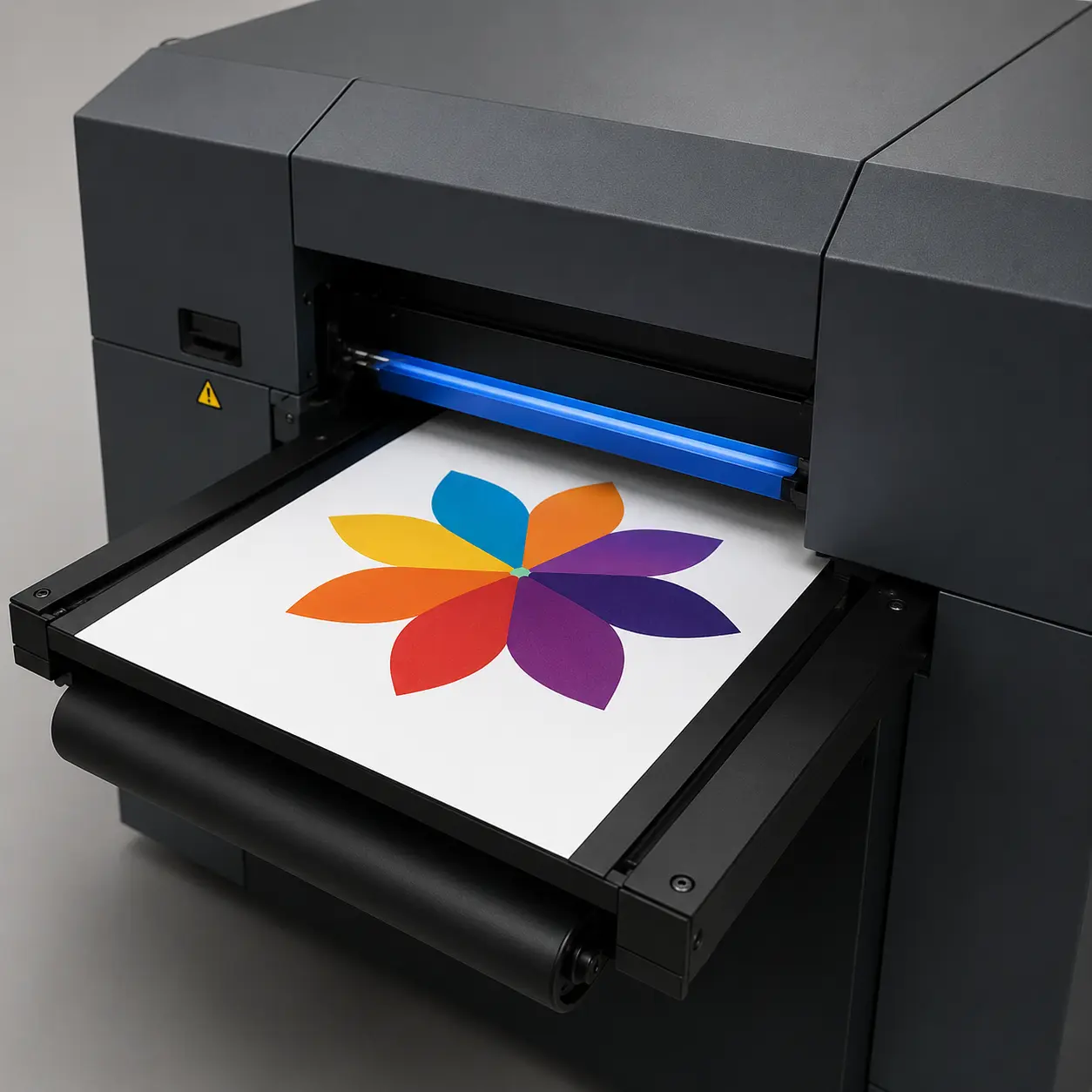 HD CMYK Printing High-resolution lithographic offset printing for photo-realistic graphics.
 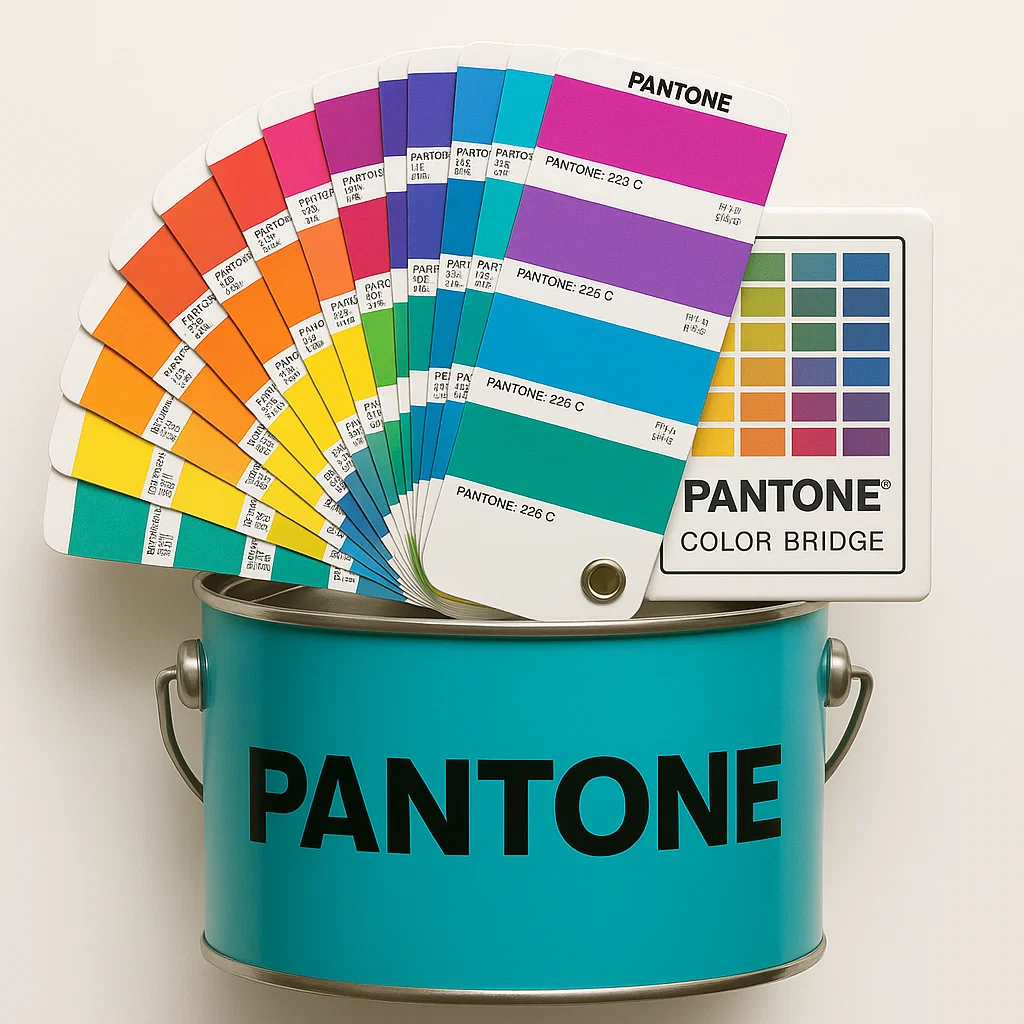 Pantone Spot Colors Exact PMS spot color ink matching for solid brand color uniformity.
 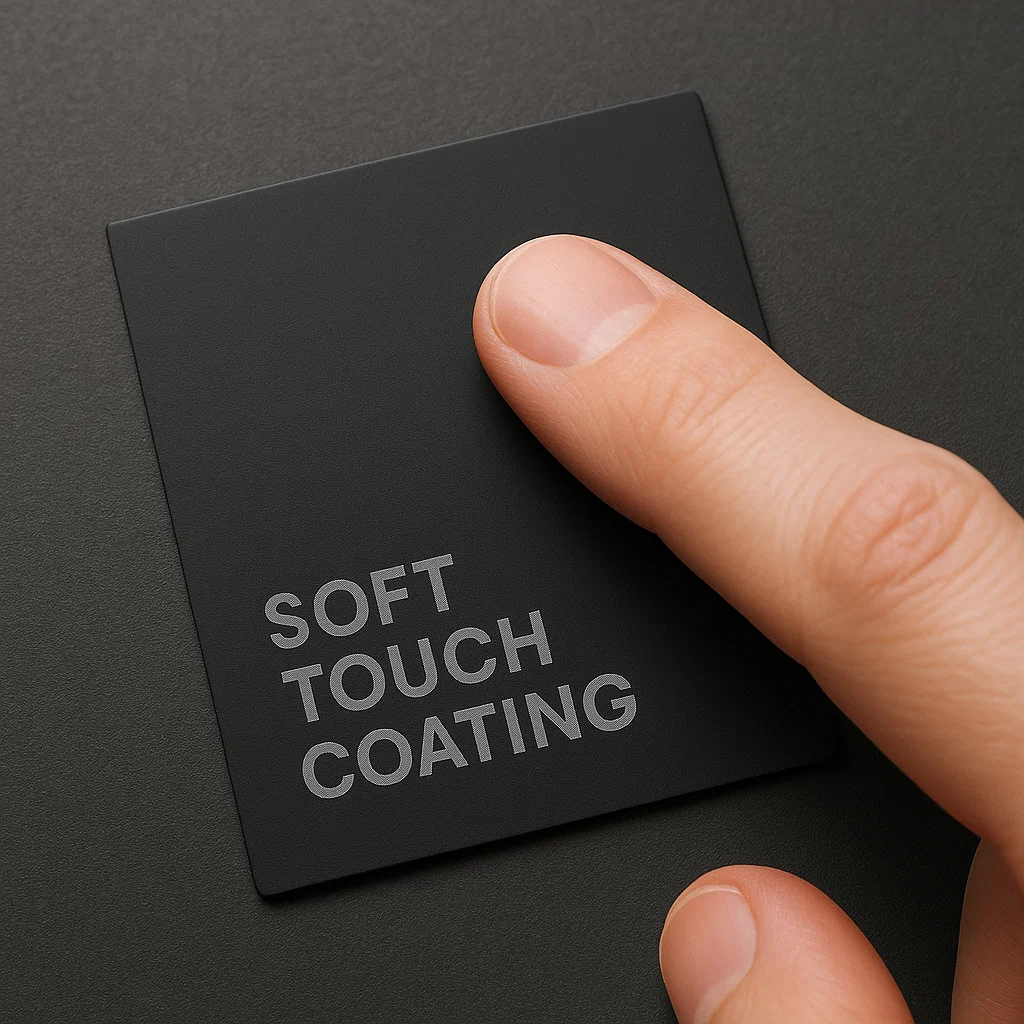 Soft-Touch Matte Velvety matte lamination that creates a tactile, smudge-resistant finish.
 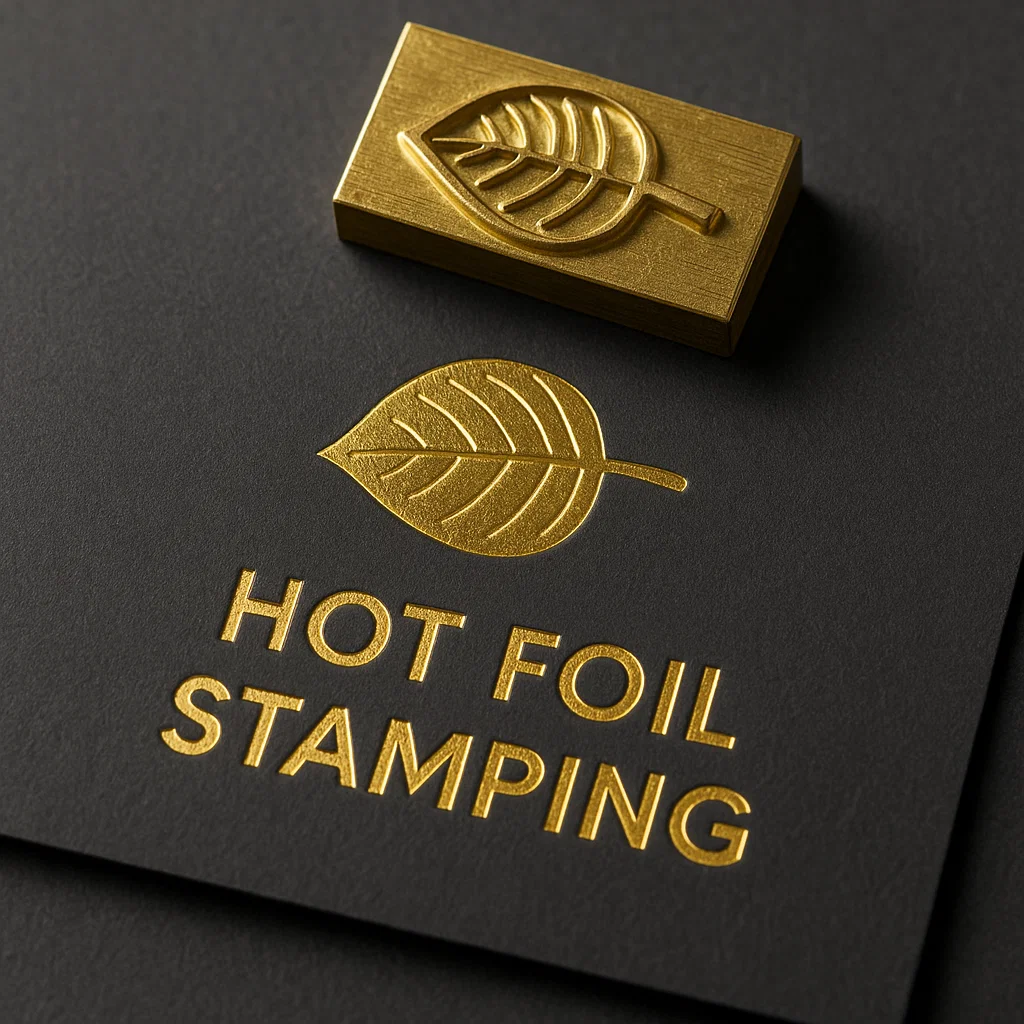 Hot Foil Stamping Metallic gold, silver, rose gold, or holographic foil detailing.
 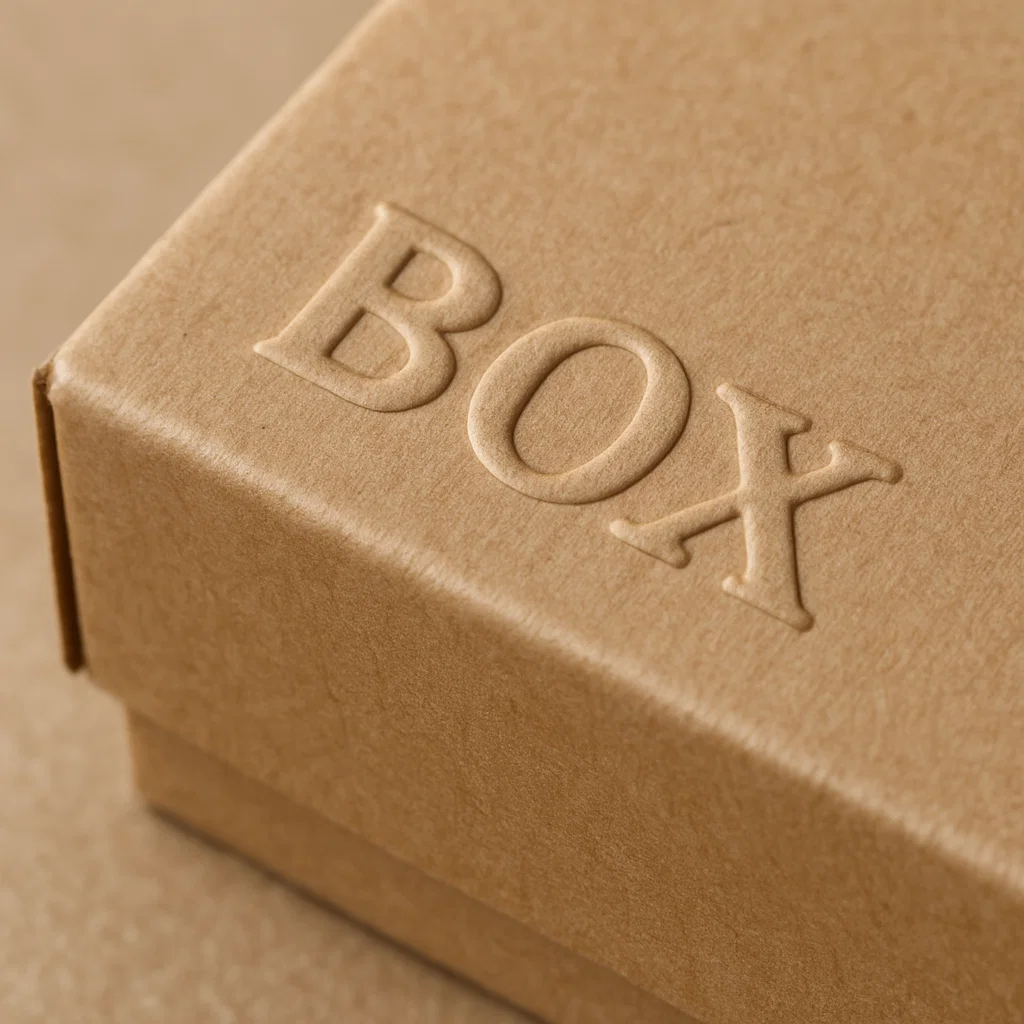 Embossing & Spot UV Raised 3D multi-level embossing paired with high-gloss Spot UV varnish.
 7. Enterprise Procurement FAQ: Custom Reverse Tuck End Boxes
Below are authoritative technical answers to common queries submitted by global procurement managers, packaging engineers, and AI buyers:
The primary difference lies in the direction the top and bottom closure flaps fold. On a Reverse Tuck End (RTE) box, the top tuck flap folds from front to back, while the bottom tuck flap folds from back to front. On a Straight Tuck End (STE) box, both top and bottom flaps fold in the exact same direction (usually from front to back). Because RTE flaps project in opposite directions on the unfolded sheet, dielines can be mirrored and nested together closely during manufacturing, reducing raw material waste by 12% to 18% compared to STE boxes.
Because the closure flaps on an RTE carton extend from opposite sides of the box blank, prepress engineers can interlock adjacent box dielines head-to-tail on the press sheet. This tight layout eliminates wasted space between cartons during gang-run printing. Maximizing the number of boxes printed per sheet significantly lowers paperboard cost per unit, making RTE the most economical choice for large production runs.
A friction-lock closure relies solely on the tension of the paperboard tucked inside the box body, making it ideal for lightweight items (under 8 oz) like cosmetics or lip balms where easy opening is desired. A slit-lock closure incorporates small die-cut notches on the sides of the tuck flap that lock against the internal dust flaps. You should specify a slit-lock closure whenever your product weighs over 10 oz, contains liquid in glass bottles (such as essential oils or tinctures), or requires extra security against accidental bottom opening during retail shelf display.
For products weighing between 8 oz and 20 oz (such as 100ml lotion bottles, candles, or food items), we recommend specifying 20pt to 24pt Solid Bleached Sulfate (SBS) or 20pt Natural Kraft paperboard. For products exceeding 24 oz, or for fragile items requiring puncture resistance, we recommend transitioning from folding paperboard to F-Flute or E-Flute micro-corrugated board.
Yes. Custom reverse tuck cartons are widely used on high-speed automatic cartoning equipment. However, for seamless automated loading, the box dieline must be engineered with pre-broken scorelines (180-degree pre-fold on glue seams), precise tuck flap lead-in tapers, and consistent paperboard stiffness (typically 18pt or 20pt SBS). Hello Custom Boxes supplies machine-grade RTE flat blanks optimized for continuous-motion and intermittent packaging lines.
We require vector artwork files in Adobe Illustrator (.AI), PDF, or vector EPS format with all fonts outlined and embedded images set to a minimum of 300 DPI resolution. Artwork must be placed on a separate layer from our structural dieline layer, with print bleeds extending at least 0.125 inches (3mm) beyond the die-cut lines.
Yes. Custom die-cut windows can be integrated onto the front or side panels. To preserve structural integrity, window cutouts must maintain a minimum distance of 0.5 inches (12.7mm) from any scoreline or folded edge. Windows can be left open or patched with clear recyclable PET or plant-based cellulose film.
We offer 100% post-consumer recycled Kraft paperboard, FSC-certified virgin SBS paperboard, non-toxic soy/vegetable-based inks, and repulpable water-based (dispersion) coatings. By avoiding plastic laminations, your finished packaging remains 100% recyclable in standard municipal paper waste streams.
Our standard production lead time is 7 to 10 business days following final digital artwork approval and proof confirmation. We offer flexible MOQs starting at 100 boxes for short runs, up to multi-million unit volume production with expedited shipping available across the USA and worldwide.
Yes. We provide free 3D digital PDF proofs within 2 hours. We can also produce unprinted structural CAD samples or fully printed production-grade prototypes so you can test product fit, caliper thickness, and closure retention prior to mass manufacturing.